What Does Tempered Air Mean? Why It Matters in Fraser Valley's Commercial HVAC Systems
In the commercial HVAC world, terms like “conditioned air,” “make-up air,” and “tempered air” get used frequently - but they’re not always clearly defined. For commercial facility managers in Chilliwack, Abbotsford, and the surrounding areas of the Fraser Valley, understanding the distinction isn’t just academic. It has real implications for a building’s performance, energy costs, and the reliability with which systems comply with ventilation codes.
This article explains what tempered air means, how it differs from other HVAC air treatments, and why it’s essential for many commercial applications in the Fraser Valley climate.
What Is Tempered Air?
Tempered air refers to outside air that has been partially heated or cooled before being introduced into a building’s ventilation system. Unlike fully conditioned air, which is brought to a specific temperature and humidity level for occupant comfort, tempered air is adjusted only enough to prevent extreme cold or heat from disrupting the internal environment.
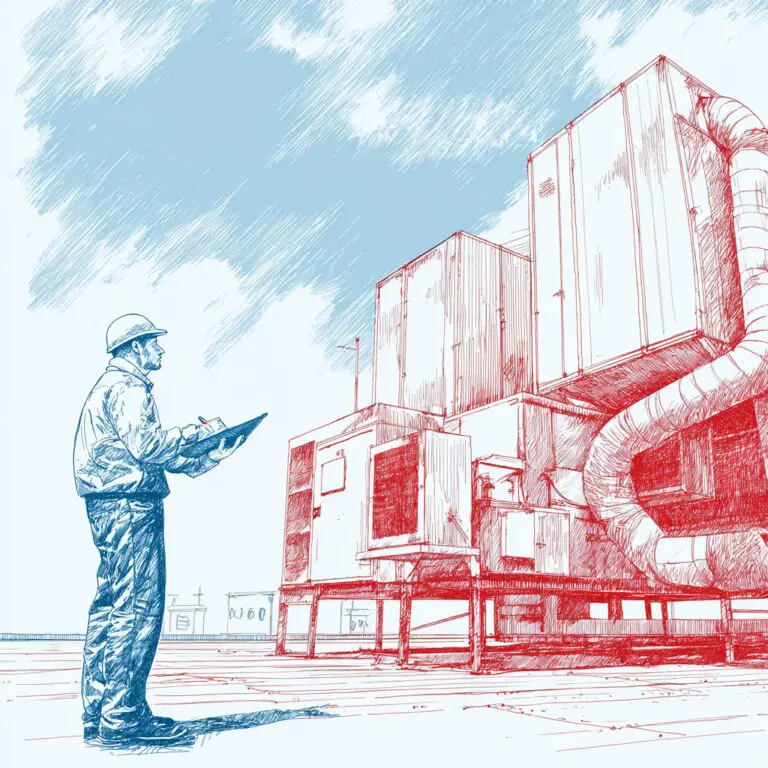
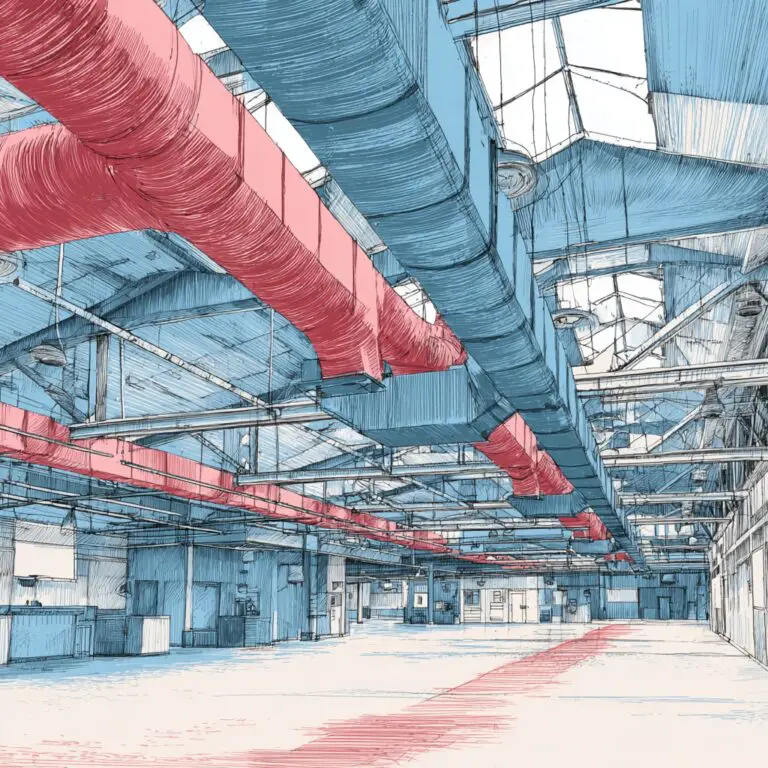
Tempered air is typically delivered by make-up air units, which draw in outdoor air, treat it to a moderate temperature, and distribute it through ductwork to balance indoor pressure and meet ventilation requirements. These systems often include simple heating or cooling elements that provide moderate conditioning without meeting occupant comfort standards.
This approach supports ventilation objectives while reducing the load on central HVAC systems. It ensures a smoother transition between outdoor and indoor conditions, especially in climates with significant seasonal variation.
In short: Tempered air isn’t about comfort - it’s about control. It helps systems meet ventilation codes without overburdening heating or cooling equipment.
Why Is Tempered Air Important in Commercial Buildings?
Tempered air contributes to several operational priorities:
- Preventing Thermal Shock: Introducing cold winter air directly into warmer indoor environments can stress HVAC equipment and interior surfaces. Thermal shock can cause materials to expand and contract, leading to premature wear or failure.
- Balancing Air Pressure: Buildings with significant exhaust, such as those with commercial cooking or industrial equipment, require make-up air to maintain balanced pressure. A lack of balance can lead to door drafting, back-drafting of combustion appliances, and uneven airflow.
- Supporting Code Compliance: Provincial mechanical codes often require minimum outdoor air intake rates for commercial spaces to maintain acceptable indoor air quality. Without tempering, this required ventilation can introduce problematic temperature or humidity levels.
- Maintaining Indoor Air Quality (IAQ): Adequate ventilation is essential for removing indoor pollutants, odours, and moisture. When outdoor air is tempered before entering the building, it is less likely to cause drafts, condensation, or occupant discomfort.
Properly tempered air improves occupant experience while protecting HVAC investments and ensuring regulation compliance.
Fraser Valley Climate Considerations
In regions like Chilliwack and Abbotsford, winter temperatures frequently drop below freezing, while summer months can bring high humidity and elevated heat. These fluctuations create unique challenges for HVAC systems, particularly those responsible for ventilation.
During colder seasons, untreated outdoor air introduced into indoor spaces can cause frost buildup on mechanical components, increase heating loads, and pose health or safety risks if air distribution is poorly managed. In summer, warm, moist air can create uncomfortable indoor environments, especially in buildings where humidity control is critical.
Tempered air acts as a buffer, softening the contrast between outdoor and indoor conditions. It makes compliance with ventilation standards more practical and supports energy-conscious design by reducing the reliance on full-space heating and cooling.
Common Commercial Applications for Tempered Air
Tempered air systems are used in a wide range of commercial and institutional buildings, particularly where ventilation volumes are high, and full conditioning is not economically or operationally feasible. Examples include:
- Commercial Kitchens
- Warehouses and Distribution Centres
- Processing and Manufacturing Facilities
- Retail and Assembly Areas
- Healthcare-Adjacent Environments
Insight: If your facility exhausts large volumes of air, tempered make-up air may be essential to maintain comfort, pressure balance, and system performance.
Understanding the Differences
It is important to distinguish between three key types of air introduction in HVAC systems:
- Untreated Make-Up Air: Outdoor air brought directly into a space without temperature or humidity control. It is typically used in non-occupied or auxiliary areas such as mechanical rooms or garages.
- Tempered Air: Moderately treated air intended to neutralize temperature extremes before entering indoor spaces. Useful in transitional environments where full comfort isn’t necessary but thermal shock must be avoided.
- Fully Conditioned Air: Air adjusted to meet specific temperature and humidity targets. Common in offices and environments with high occupant density or equipment sensitivity.
Choosing the right air strategy isn’t one-size-fits-all - it should reflect your building’s purpose, occupant needs, and climate context.
Is Your Building Using Tempered Air Correctly?
Some facilities may operate with make-up air systems that do not temper incoming air, which can have unintended consequences:
- Increased operational costs
- Uneven temperatures and occupant discomfort
- Equipment wear from thermal extremes
- Ventilation code compliance challenges
To determine whether a building is using tempered air appropriately, assess how incoming air affects indoor temperatures and energy use. If performance issues or comfort complaints are common, tempering might be underutilized or absent altogether.
Considerations for Upgrading or Installing a Tempered Air System
The design and installation of tempered air systems must account for several variables:
- Heating Method
- Cooling Capabilities
- Control Strategies
- Energy Recovery Options
- System Integration
Design Tip: System upgrades should include control flexibility, efficient heat sources, and compatibility with existing ventilation paths.
Proper planning supports a system that not only meets current demands but adapts to seasonal and operational changes efficiently.
Additional Maintenance and Performance Considerations
To sustain long-term system performance, tempered air systems require regular inspection and maintenance. This includes checking burners or heating elements to ensure they are functioning properly, cleaning intake screens and air filters to maintain airflow efficiency, and inspecting duct insulation and seals to prevent energy loss.
It is also important to verify that control sensors are calibrated correctly and responding as expected to temperature and pressure changes. Lastly, ongoing evaluation of system performance against current ventilation and safety standards ensures continued compliance and energy efficiency. Ignoring these tasks can lead to uneven tempering, poor indoor air quality, equipment strain, and unnecessary energy consumption.
Maintenance Alert: Routine maintenance isn’t optional - it’s essential to preserve efficiency, indoor air quality, and regulatory compliance.
Final Thoughts
Tempered air serves a specialized but essential function in commercial HVAC systems. It bridges the gap between untreated ventilation and full conditioning, offering a pragmatic solution for compliance, comfort support, and system protection.
In regions like the Fraser Valley, where seasonal weather variation is significant, tempered air supports building resilience and operational consistency. A well-implemented tempered air strategy can enhance overall building performance, reduce maintenance strain, and support long-term HVAC efficiency.