

Click to Call Dispatch
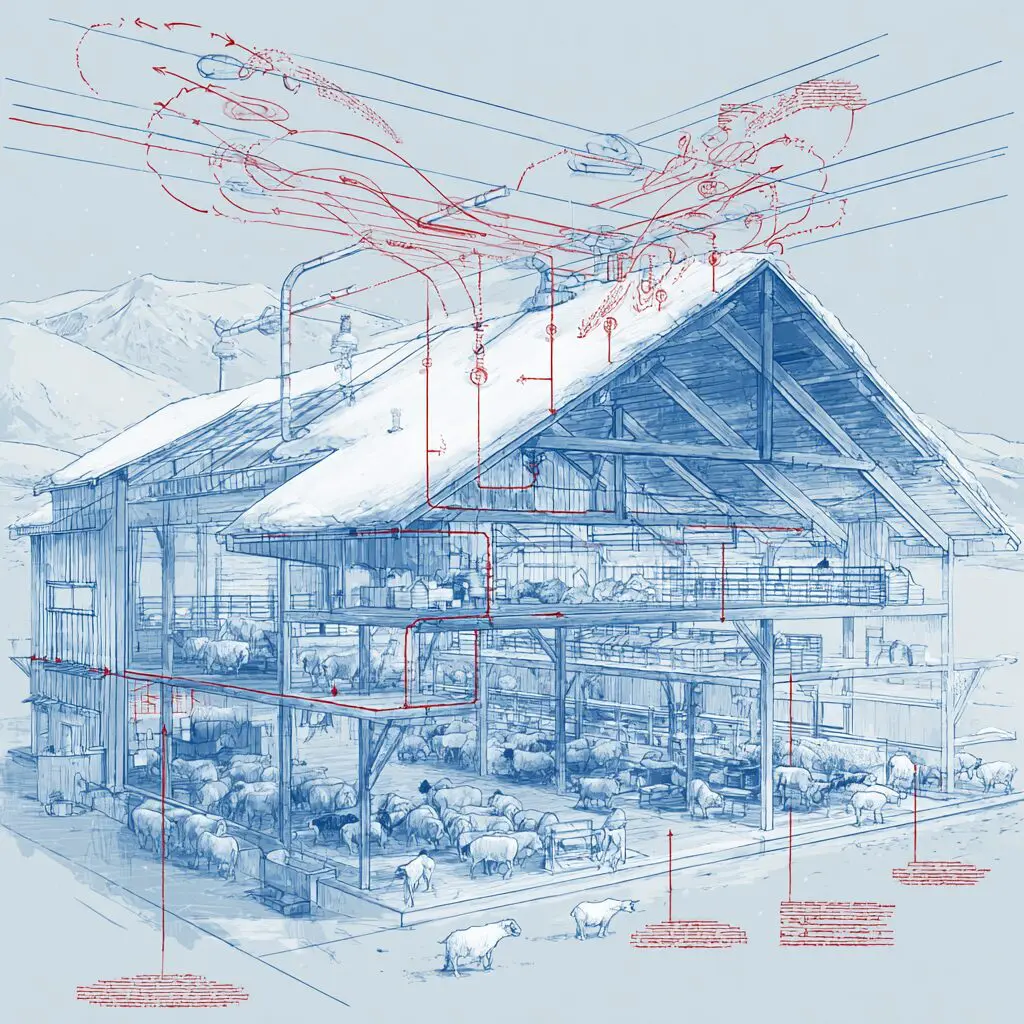
For agricultural operations in Chilliwack, Abbotsford, and throughout the Fraser Valley, managing indoor climate during winter isn’t just about keeping animals warm. It’s also about keeping air fresh. In tightly sealed barns, poor winter ventilation can cause a cascade of problems—from high ammonia levels to moisture damage and respiratory illness in livestock.
The challenge? Finding the right balance between air quality and heat retention. Excessive air exchange loses heat. Insufficient ventilation degrades animal health. The solution requires strategic design, system efficiency, and reliable service support tailored to local climate demands.
This guide explores how farmers can achieve that balance, avoid productivity loss, and plan upgrades that pay off.
Callout:
Winter ventilation is not optional. Proper airflow in cold months supports animal welfare, prevents costly vet visits, and maintains barn infrastructure.
In warmer months, airflow needs are obvious. But in cold weather, many operators reduce ventilation to conserve heat. The risk? A closed system allows carbon dioxide, ammonia, and excess humidity to accumulate—especially in poultry barns where birds generate significant moisture and waste.
Unchecked, this can lead to increased disease pressure, poor feed conversion, frost accumulation on fans and surfaces, and even equipment corrosion due to moisture. In more severe cases, mortality rates can increase.
Productivity losses during winter are often difficult to reverse quickly, especially when bird growth cycles or breeding windows are missed. Healthy animals need oxygen-rich air with controlled humidity and stable temperatures. The role of ventilation in winter isn’t just heat loss management—it’s year-round biological support, with implications for feed efficiency, animal comfort, and farm profitability.
Farmers often overlook subtle signs that ventilation systems aren’t performing as they should during the winter season. Excess condensation on ceilings, walls, or windows can indicate that moisture is not being effectively evacuated. Persistent barn odour, often high in ammonia, suggests insufficient air exchange.
Frost near vents or exhaust fans may mean that warmer, moisture-laden air is condensing prematurely. Wet bedding can lead to increased pathogen loads and discomfort for animals, while uneven temperatures or clustering behaviour signal microclimates forming inside the barn. These warning signs can also point to system design flaws, improper inlet calibration, or fan inefficiencies, all of which demand timely inspection.
Callout:
Don’t ignore condensation. Moisture on surfaces isn’t just inconvenient—it’s a warning sign of a deeper ventilation imbalance.
Minimum ventilation refers to the lowest airflow needed to maintain acceptable air quality without significant heat loss. In winter, this becomes especially critical, as the pressure to conserve fuel often leads to under-ventilation. In broiler barns, this may mean as little as 0.1 to 0.2 cubic feet per minute (CFM) per bird, but the airflow must be continuous.
Minimum ventilation ensures adequate removal of carbon dioxide, moisture, and odours. Variable-speed fans are useful here, as they allow for precise control of airflow across different times of day and animal ages. Sensors can help monitor ammonia levels, temperature, and humidity in real time, while strategically placed inlets help balance intake and distribution. Importantly, these inlets should open incrementally to maintain air velocity and proper mixing, especially when outdoor temperatures are extremely low.
Manual ventilation methods often lack the fine-tuned control needed for today’s barns. Automated systems with programmable logic controllers (PLCs) help adjust ventilation rates dynamically in response to external weather changes and internal barn conditions.
These systems regulate fan speeds, manage air inlets, and interface with heaters to balance thermal comfort and air quality. Systems with alarm notifications, data logging, and real-time monitoring provide greater insight and allow proactive management. This level of control prevents over-ventilation during cold snaps and ensures consistent air exchange when barn conditions demand it. Climate data collected from over time can also be used to fine-tune future settings, making each season more efficient than the last.
Real-time sensors and logging provide insights that help farmers optimize ventilation without trial and error.
Incoming air should be pre-warmed, often by drawing from attic spaces, and evenly distributed across the barn ceiling. Poorly designed or maintained inlets can result in cold drafts, temperature layering, and discomfort. If the air enters too quickly or too directly, it can create chilling effects on livestock, particularly young birds or animals near the perimeter.
Inlets that open too wide can short-circuit airflow, while poorly placed vents can create dead zones where air does not circulate effectively. A well-balanced inlet system ensures proper mixing of air throughout the barn, minimizing cold spots and reducing the risk of stress on animals. Adjustable deflectors and pressure-regulated opening mechanisms can further enhance distribution during varying weather conditions.
Ideal relative humidity (RH) in barns during winter should stay between 50% and 70%. Higher RH can lead to surface condensation, slipperiness, ammonia intensification, and long-term structural issues. This is especially true in barns using radiant heating or brooder lamps, which can heat air without reducing moisture content.
Low humidity increases dust and can dry out mucous membranes, affecting animal respiratory health. Managing RH isn’t just about increasing heat—it’s about balancing ventilation rates and monitoring conditions through reliable sensors positioned throughout the barn. Technologies like enthalpy sensors, which measure both heat and moisture, can provide advanced control strategies that respond to the real-time comfort zone of your livestock.
A frequent concern for Fraser Valley producers is whether increasing airflow will lead to excessive fuel usage. In reality, a well-calibrated ventilation system often reduces net energy costs. By maintaining dry bedding and minimizing ammonia buildup, farms avoid costly vet treatments, performance setbacks, and premature equipment wear.
Moist air is more difficult to heat than dry air, so removing moisture efficiently reduces the energy burden on heating systems. Modern systems use variable frequency drives to optimize fan efficiency and reduce unnecessary energy use. The key is not to eliminate ventilation in winter, but to control it intelligently. When air is allowed to stratify or stagnate, it creates conditions where more heating is required to maintain animal comfort, negating any perceived energy savings.
Older barns in the Fraser Valley aren’t necessarily out of date—they may just need smarter ventilation strategies. You can improve performance without a full rebuild. Replacing static fans with variable-speed units allows for more efficient airflow and responsive control. Adding insulation reduces heat loss through roof and wall surfaces, while also creating a more stable indoor climate. Upgrading manual controls to automated ones enables more accurate adjustments and remote monitoring.
Sealing air leaks in the building envelope improves negative pressure control, which is essential for drawing in fresh air through inlets rather than uncontrolled gaps. Repositioning or upgrading inlets to optimize airflow paths can correct longstanding distribution issues. These changes can be staged based on budget and return on investment, often starting with the most cost-effective improvements like control system upgrades and basic air sealing.
Callout:
Retrofit smartly. You don’t need to gut your barn—targeted upgrades often deliver the biggest gains.
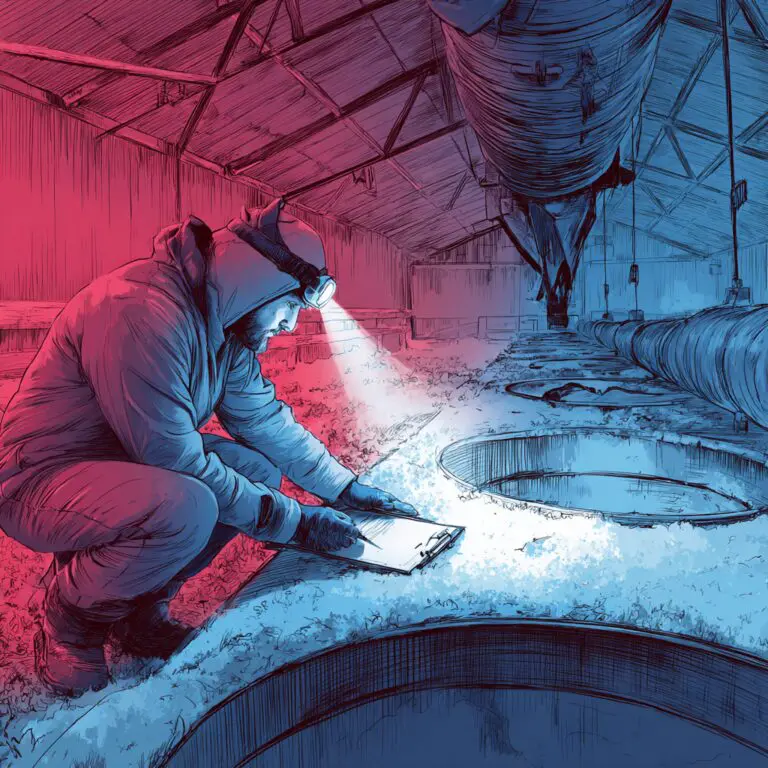
A high-performance ventilation system is only as effective as its upkeep. Regular inspections before and during the cold season are essential. Fan blades and shutters should be cleaned to maintain airflow efficiency, as dust buildup can reduce performance by as much as 30%. Inlets need to be checked for smooth operation and adjusted to ensure they’re opening at correct pressure thresholds. Sensors and controllers must be calibrated to avoid incorrect readings, which could lead to under- or over-ventilation.
The entire system should be inspected for corrosion, moisture intrusion, or signs of rodent damage, particularly around wiring or insulation. Maintenance also includes confirming motor functionality, ensuring belts are properly tensioned, and checking heater interlocks where applicable.
Proactive maintenance reduces the risk of system failure when you need it most and helps maintain consistent animal health outcomes across the winter season.
The agricultural sector in British Columbia is evolving. Rising energy prices, stricter environmental regulations, and a growing consumer demand for ethical animal care are pushing producers to adopt smarter, more sustainable practices. Forward-looking strategies include integrating energy recovery ventilators (ERVs), which capture heat from outgoing stale air to pre-warm incoming fresh air.
Some operators are also using solar-assisted ventilation systems to reduce electrical loads and offset energy costs. Fully automated barn management platforms allow operators to monitor and adjust climate controls from mobile devices, enabling timely interventions. Data collected from modern sensors can help operators optimize ventilation by livestock stage, improving both animal welfare and efficiency.
Alpine Refrigeration supports these developments by offering customized, future-ready HVAC and ventilation systems, paired with expert advice tailored to Fraser Valley conditions.
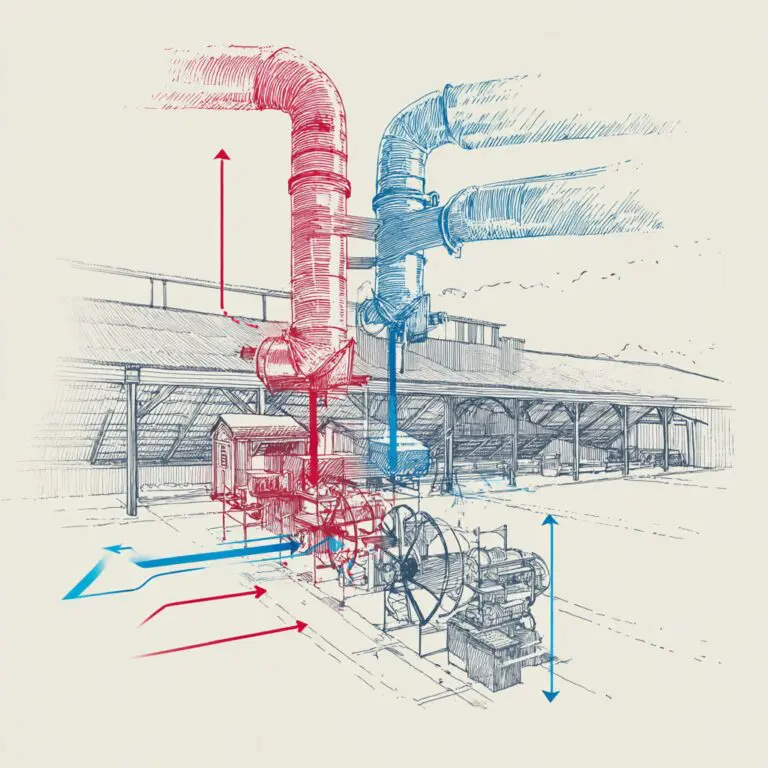
Good winter ventilation doesn’t mean choosing between warmth and air quality—it means managing both through precision, design, and consistent maintenance. In poultry and livestock operations, small gains in barn climate translate to big outcomes in animal health and farm profitability.
As technology advances and climate pressures mount, investing in smarter systems isn’t a luxury—it’s a competitive necessity. Whether you’re upgrading an older system or refining your current setup, investing in smart ventilation ensures your operation stays resilient—no matter how cold the Fraser Valley winter gets.
Fans should run continuously at low speeds to maintain minimum airflow. Automated controls can adjust speeds based on humidity and ammonia levels.
Yes. By using proper inlets, pre-warmed intake air, and variable-speed fans, you can maintain air quality while conserving heat.
Aim for 50–70% RH. Too low causes dryness; too high leads to condensation, disease pressure, and bedding issues.
Watch for condensation, frost on vents, strong odours, and uneven bird behaviour. These are signs your airflow needs adjustment.
Yes. Alpine Refrigeration offers installation, maintenance, and retrofit services for agricultural HVAC systems across Chilliwack, Abbotsford, and surrounding areas.