In commercial buildings throughout Chilliwack, Abbotsford, and Langley, HVAC systems are the silent workhorses behind employee comfort, tenant satisfaction, and operational continuity. But when they fail unexpectedly, the costs can mount quickly: emergency service calls, lost productivity, energy waste, and even tenant churn.
For commercial facilities managers in the Fraser Valley, adopting a proactive HVAC maintenance plan isn't just about system performance. It's a smart financial strategy.
Why Proactive Maintenance Outperforms Reactive Fixes
Most businesses don't think about their HVAC systems until something goes wrong—a unit stops cooling, a blower fails, or tenants complain about air quality. These reactive scenarios are not only stressful but significantly more expensive. Emergency repairs often involve premium labour rates, immediate part sourcing, and ripple effects like tenant dissatisfaction or lost business hours.
By contrast, a proactive HVAC maintenance plan allows facilities managers to take control. Routine inspections catch early signs of wear—a fraying belt, low refrigerant, or miscalibrated sensor—before they lead to major failures. Scheduled cleaning, airflow testing, and component tuning not only reduce energy consumption but extend equipment life. A planned approach ensures the system operates efficiently, budgets stay predictable, and service partners understand the specific needs of your facility. Ultimately, it shifts HVAC management from crisis response to strategic asset protection.
Reactive Service: The Cost of Waiting
- Unplanned downtime during business hours leads to tenant discomfort or even closures. This can impact customer experience, business continuity, and in some cases, result in lost revenue.
- Emergency repair rates are significantly higher than scheduled service. Businesses often pay a premium for urgent labour, expedited parts, and travel fees during off-hours or weekends.
- Frequent breakdowns strain components, shortening equipment lifespan. Over time, this leads to more frequent replacements, higher capital expenses, and increased operational risk.
Proactive Maintenance: The Cost-Saving Alternative
- Predictable service schedules minimize disruption to operations. Maintenance can be planned during low-traffic hours, ensuring system reliability without interfering with tenants or staff.
- Early detection of component wear prevents catastrophic failure. Technicians can identify failing parts before they cause widespread issues, saving both time and repair costs.
- Energy-efficient tuning reduces utility bills across seasons. A well-calibrated system uses less energy to maintain optimal temperatures, which lowers monthly operational expenses.
- Better indoor air quality supports employee health and regulatory compliance. Regular filter changes and airflow checks help reduce allergens, bacteria, and other airborne contaminants, improving overall workplace wellness and meeting safety standards.
Quick Insight: The average emergency HVAC call in Chilliwack costs between $250–$350 per hour. Just two unplanned visits annually could cost more than a full year of scheduled maintenance.
Real-World Financial Benefits for Fraser Valley Businesses
Let's examine how a commercial HVAC maintenance plan can reduce key cost centres in a typical Fraser Valley operation:
1. Lower Energy Consumption
Systems that aren't cleaned or calibrated regularly must work harder to achieve set temperatures. Filters clog, airflow slows, and components overcompensate, often unnoticed.
In a standard 10,000 sq ft office in Langley, for example, routine HVAC maintenance can reduce annual energy consumption by up to 15%. This translates into substantial cost savings over time, particularly for multi-unit buildings with continuous climate demands.
2. Fewer Emergency Repairs
Emergency callouts in Chilliwack average $250 to $350 per hour, especially on weekends or holidays. With regular inspections, Alpine Refrigeration identifies wear and risk factors early, reducing the need for costly after-hours service.
Over the course of a year, preventing even a handful of emergency calls can yield thousands in avoided expenses for commercial buildings.
3. Extended Equipment Lifespan
Commercial rooftop units (RTUs) or heat pumps can last 15–20 years—but only with consistent upkeep. Businesses that skip regular maintenance often face full replacement years earlier, a capital cost that can exceed $15,000 per unit.
Proactive care defers large capital investments and reduces the need to disrupt building operations for major system upgrades.
4. Easier Budgeting & Forecasting
Scheduled maintenance agreements help facilities managers in Abbotsford spread costs throughout the year, avoiding large unplanned capital expenses. Most Alpine clients opt for quarterly or seasonal inspections, aligning with budget cycles.
This predictability improves financial planning and supports more accurate forecasting of operational expenses.
5. Improved Tenant and Staff Retention
Uncomfortable tenants are less likely to renew commercial leases. Employees in overheated or poorly ventilated workspaces are less productive and more likely to complain. A well-maintained system prevents these subtle but costly outcomes.
Happy tenants and staff create long-term stability, minimizing turnover and its associated recruitment or leasing costs.
What a Commercial HVAC Maintenance Plan Typically Includes
A well-structured commercial HVAC maintenance plan is more than just a checklist—it's a tailored strategy designed to support the specific needs of your facility. Alpine Refrigeration works closely with building managers to understand system configurations, occupancy patterns, and usage demands. This allows us to recommend a service frequency and component focus that will provide the most value over time, especially for high-traffic commercial properties.
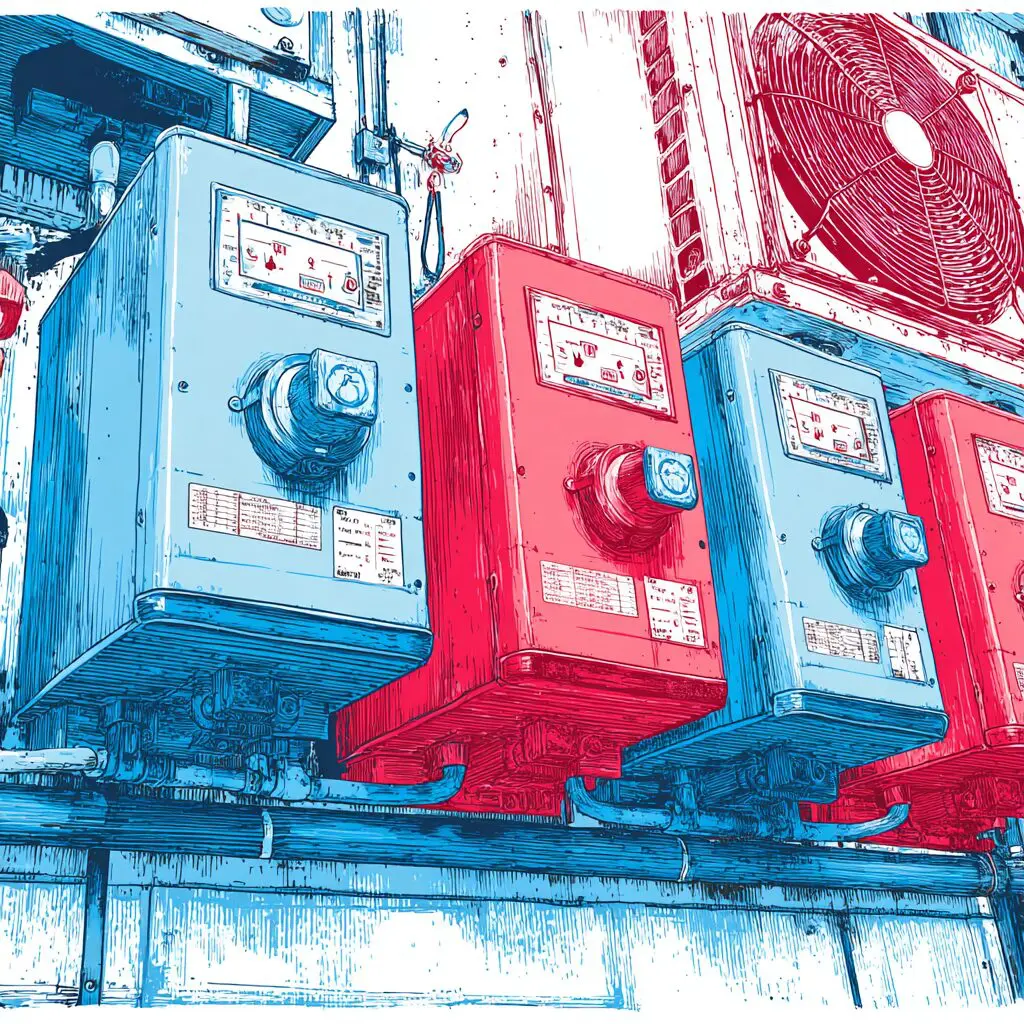
Alpine Refrigeration customizes each plan based on system type, building use, and operational needs, but most proactive agreements include:
- Seasonal inspections (spring and fall)
- Filter replacements
- Refrigerant checks and topping (if needed)
- Electrical connection testing
- Fan motor and belt inspections
- Ductwork evaluations (especially for large facilities)
- Calibration of thermostats and controls
- System performance reporting
These regular checkpoints ensure your HVAC system is running efficiently year-round—and that you're never surprised by a failure during a critical business day.
Regional Climate Challenges in the Fraser Valley
Commercial facilities in the Fraser Valley face climate extremes that place significant demands on HVAC systems. Humid summers in Abbotsford call for dependable and efficient cooling to maintain occupant comfort and air quality. On the other end of the spectrum, cold, wet winters in Chilliwack create challenges around consistent heating, moisture management, and ventilation. These seasonal swings not only increase wear on HVAC systems but also require thoughtful planning to ensure systems can transition effectively between heating and cooling cycles.
Without proper maintenance, systems are more likely to break down during peak demand. Regular checkups and calibrations ensure optimal performance across both heating and cooling seasons, keeping energy consumption in check and minimizing unplanned service interruptions.
Navigating Energy Compliance Regulations
B.C. businesses are under increasing pressure to meet evolving energy efficiency and emissions standards. These regulations are not only driven by environmental policy but also by incentive structures that reward proactive system management. Programs like the BC Energy Step Code and CleanBC Commercial Rebates encourage building owners and facility managers to implement energy-saving measures and upgrade aging equipment.
Regular HVAC maintenance plays a key role in compliance. By ensuring that systems are running efficiently and within manufacturer specifications, facilities can reduce their energy footprint and potentially qualify for financial incentives. Moreover, maintenance documentation can support reporting requirements or audits related to environmental performance.
Meeting the Expectations of Tenants and Occupants
In today's competitive commercial property market, tenant satisfaction is more important than ever. Whether managing a multi-tenant retail development or a large office complex, occupants expect reliable indoor comfort and swift resolution of climate issues. HVAC outages—especially those that occur during hot summer afternoons or cold winter mornings—can damage a building's reputation and increase turnover risk.
A proactive maintenance plan ensures that comfort standards are consistently met and that any potential disruptions are addressed before they impact tenants. By demonstrating attentiveness to building systems, property managers can foster trust and long-term lease renewals, supporting overall building performance and occupancy rates.
Choosing a Local HVAC Partner Makes a Difference
Choosing a service provider that operates locally within the Fraser Valley can offer logistical and contextual advantages. Familiarity with regional permitting requirements, seasonal climate conditions, and common commercial building configurations makes a difference in both the efficiency and accuracy of service delivery.
Technicians who routinely work with facilities in Chilliwack, Abbotsford, and Langley are more likely to understand the specific HVAC challenges presented by the area. This local familiarity allows for more responsive service and informed recommendations that reflect on-the-ground experience rather than generalized assumptions.
Final Thoughts
A proactive HVAC maintenance plan is more than just preventative—it's a strategic investment in operational stability, tenant satisfaction, and long-term cost control.
For commercial facilities across Chilliwack, Abbotsford, and Langley, the numbers are clear: planned maintenance saves money.
Beyond cost savings, maintenance plans also contribute to smoother day-to-day operations, better compliance with energy regulations, and increased resilience during seasonal climate shifts. A well-maintained HVAC system becomes a reliable foundation for delivering consistent indoor comfort and meeting occupant expectations.
If you manage a commercial property and are exploring ways to reduce operating costs while minimizing unexpected disruptions, investing in a structured HVAC maintenance plan is a practical step forward.
FAQ: Proactive HVAC Maintenance Plans for Commercial Buildings
Need Professional Help?
Alpine Refrigeration has been serving the Fraser Valley since 1969. Our licensed technicians are available for consultations, installations, and 24/7 emergency service.