
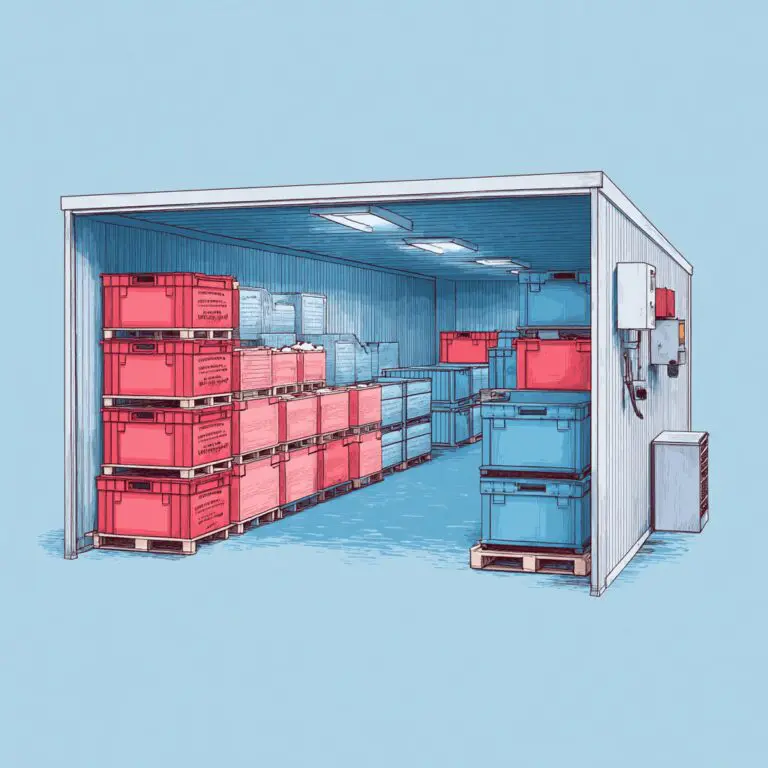
Poultry production in the Fraser Valley is more than just raising healthy flocks — it's about protecting product quality from farm to market.
One of the most important tools in achieving this is an effective cold storage system. For Agricultural Operations, the choice of refrigeration equipment has a direct impact on bird welfare, food safety, and profitability.
Selecting the right cold storage setup is not just about temperature control; it's about reliability, efficiency, and long-term sustainability.
Why Cold Storage Matters for Poultry Farms
Cold storage plays a critical role in every stage of poultry operations. Fresh poultry meat must be kept at safe temperatures to prevent bacterial growth and spoilage.
Meeting Canadian Food Inspection Agency (CFIA) requirements is impossible without dependable cooling systems. Well-designed systems reduce waste, improve workflow, and extend the shelf life of poultry products.
Energy-efficient cold storage also helps control operational expenses while safeguarding high-value inventory. In a competitive agricultural market, a failure in cold storage can mean thousands of dollars in product losses in a matter of hours. Choosing wisely upfront saves money, prevents emergencies, and ensures consistent product quality.
A few hours of refrigeration downtime can erase months of work. Building in redundancy and emergency repair options is one of the most cost-effective forms of insurance a poultry farm can invest in.
Key Types of Cold Storage Systems for Poultry Farms
Not all cold storage is the same. Poultry operations require specific solutions tailored to both volume and processing demands. Some systems focus on everyday cooling needs, while others are designed for freezing, large-scale storage, or specialized monitoring.
Everyday Cooling and Freezing Systems
Walk-in coolers are a staple in poultry farms and processing facilities. They provide flexible storage space for fresh poultry products before distribution. Their main advantages include:
- Adjustable shelving and layout for different storage volumes
- Easy staff access for daily handling
- Customizable sizing for small or large-scale operations
However, proper insulation is crucial for efficiency, and regular maintenance is needed to prevent temperature fluctuations.
Blast freezers are another essential option. They rapidly reduce the temperature of poultry products, locking in freshness and preventing bacterial growth. They are particularly valuable because they:
- Preserve meat texture by reducing ice crystal formation
- Meet the standards required for export markets
- Provide long-term protection for frozen product lines
Although they require a higher upfront investment than walk-in coolers, blast freezers are indispensable for farms supplying frozen poultry.
Scalable and Smart Storage Solutions
Larger poultry operations often use cold rooms with multiple temperature zones. These facilities allow one location to manage both chilled and frozen storage. Their key advantages are:
- Ability to separate raw, processed, and packaged products
- Improved workflow and reduced risk of cross-contamination
- Capacity to handle high-volume operations efficiently
For farms scaling up or handling seasonal demand spikes, portable cold storage units provide flexibility. These can be deployed quickly and either rented or purchased. They are useful for temporary processing or mobile operations, though limited capacity makes them less efficient for permanent use.
Modern poultry farms are also investing in advanced monitoring and control systems. These systems:
- Provide real-time tracking of temperature and humidity
- Send alerts in case of failures or power outages
- Record data for audits and compliance
While they require internet or cellular connectivity and staff training, monitoring systems significantly improve reliability and peace of mind.
Key Operational Considerations When Selecting a Cold Storage System
Choosing the right system depends on several factors unique to each poultry operation. The scale of operation is critical, as small family-run farms require very different solutions from large commercial facilities. Regulatory compliance is equally important, as cold storage systems must consistently maintain poultry products at or below 4°C for chilled storage or -18°C for frozen storage. Energy efficiency should also be a priority, since refrigeration accounts for one of the largest costs in agricultural operations. Systems with high-efficiency compressors, proper insulation, and smart controls reduce both costs and environmental impact.
Always evaluate how your system performs during peak summer heat. This is when inefficiencies are most exposed — and when poultry products are most at risk.
Reliability and Growth Considerations
Reliability is another essential factor. Because poultry products are highly perishable, downtime in refrigeration systems poses serious risks. Backup power supplies, such as generators, and access to 24/7 emergency repair services are critical safeguards.
Finally, future growth should always be considered. A well-designed cold storage system should accommodate both current and anticipated production needs. Modular or scalable designs are particularly valuable in ensuring long-term flexibility.
Energy Efficiency and Sustainability in Cold Storage
Energy costs are one of the largest ongoing expenses in poultry operations. Modern cold storage systems offer significant savings through features such as:
- High-efficiency compressors that use less power
- Improved insulation materials that prevent energy loss
- Variable-speed fans that adjust to cooling demand
- Smart defrost cycles that reduce unnecessary power consumption
Beyond cost savings, sustainability is becoming a higher priority in agriculture. By reducing energy usage and greenhouse gas emissions, farms contribute to environmental stewardship while also positioning themselves favourably for incentive programs.
In British Columbia, rebate programs are often available to support the adoption of energy-efficient refrigeration equipment. This makes investing in sustainable technology not only practical but financially advantageous.
The Cost of Getting It Wrong
Cold storage failures can have devastating consequences. Spoiled inventory can occur within just a few hours, resulting in complete product loss. Poor storage also increases the risk of contamination, which creates both health hazards and reputational damage.
Financial losses can be substantial, with tens of thousands of dollars' worth of poultry lost in a single incident. Distributors and customers may lose trust in unreliable suppliers, making it difficult for a farm to recover. These risks underline the importance of investing in dependable, professionally installed systems.
A single breakdown may not only cost inventory — it can put long-term supplier relationships and market credibility at risk.
Best Practices for Poultry Cold Storage Maintenance
A high-performing system requires consistent maintenance. Farms should:
- Conduct routine inspections of seals, fans, and thermostats
- Keep temperature logs for audits and compliance
- Establish cleaning protocols to prevent bacterial build-up
- Schedule seasonal servicing by professional technicians
- Maintain an emergency plan for outages or breakdowns
Cold Storage as Part of a Larger Farm Strategy
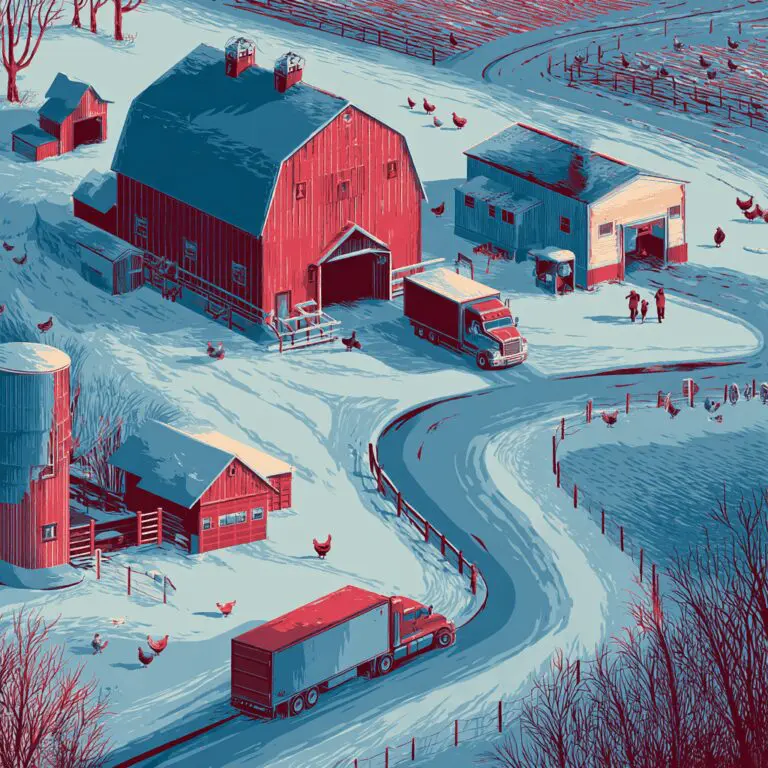
Cold storage should not be considered in isolation. It is part of a broader farm management strategy that integrates ventilation, feeding, processing, and refrigeration into a seamless chain. By investing in robust cold storage, managers not only protect their products but also streamline the entire supply process from barn to market.
Conclusion
For poultry farms in the Fraser Valley, cold storage is more than just an equipment purchase — it is an investment in the future of the business. Whether it is a walk-in cooler for a small operation or a multi-zone cold room for large-scale processing, the right system ensures product safety, regulatory compliance, and profitability.
By carefully considering scale, efficiency, reliability, and growth potential, Agricultural Operations Managers can make decisions that safeguard their flocks and protect their bottom line.
FAQs
Need Professional Help?
Alpine Refrigeration has been serving the Fraser Valley since 1969. Our licensed technicians are available for consultations, installations, and 24/7 emergency service.