Click to Call Dispatch
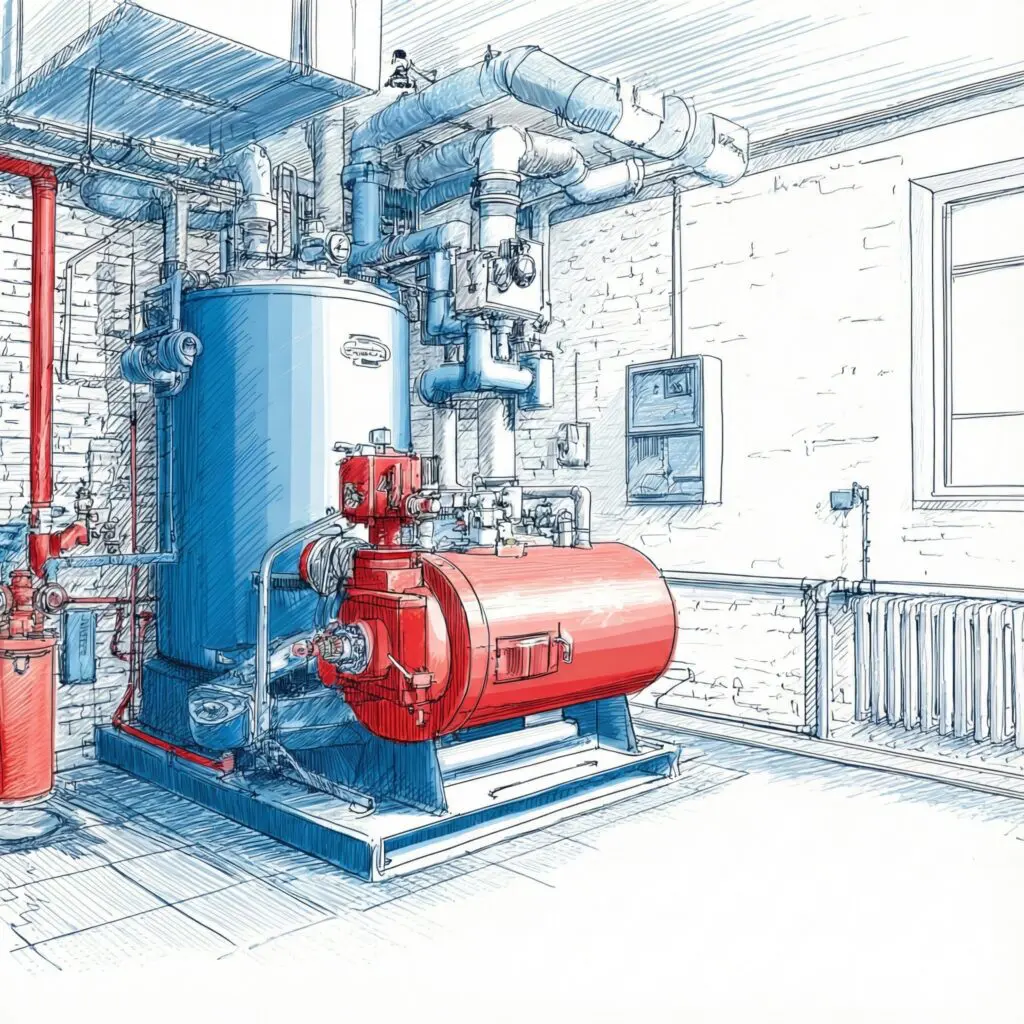
Commercial boiler maintenance in Chilliwack isn’t just a seasonal routine—it’s a critical line of defence against costly disruptions and safety hazards for facility managers overseeing large properties. In schools, warehouses, and multi-tenant buildings across the Fraser Valley, reliable industrial heating is essential during winter.
This commercial boiler service checklist is built to help prevent breakdowns, ensure compliance, and keep systems operating at peak performance. Whether you’re managing an aging system or a recently upgraded unit, timely maintenance can help avoid emergency boiler repair and protect both assets and occupants.
Quick Tip:
Use this checklist to guide your winter commercial boiler maintenance in Chilliwack—whether you’re planning in-house routines or coordinating with a certified service provider.
Industrial heating repair in the Fraser Valley is in high demand during cold weather, and failures are more than inconvenient—they are expensive, stressful, and potentially dangerous. Without routine maintenance, components degrade, fuel efficiency declines, and the risk of carbon monoxide leaks increases. Unexpected shutdowns don’t just halt operations; they can create health and safety liabilities, especially in regulated facilities. Winter service demand also drives up labour costs and lengthens wait times for repairs.
Neglecting boiler safety inspection in BC can also result in non-compliance with provincial regulations. Facility managers operating under strict service level agreements or lease obligations may face penalties or loss of tenant confidence. Preventive maintenance offers a cost-effective way to prevent costly downtime, extend equipment life, and maintain a safe operating environment.
Did You Know?
Carbon monoxide leaks are one of the most dangerous risks of boiler neglect. Ensuring proper combustion and venting is not just a safety step—it’s a life-saving measure.
A complete inspection is the cornerstone of any commercial boiler maintenance plan. Certified technicians should assess the condition and functionality of essential components, including the burner, controls, and heat exchanger. Advanced diagnostic procedures like combustion analysis are critical for measuring fuel efficiency and identifying early indicators of malfunction. Technicians should check fuel-to-air ratios, ignition sequences, and all electrical safety devices.
In particular, combustion analysis ensures optimal performance and reduces the risk of incomplete combustion, which can lead to dangerous emissions. The heat exchanger cleaning process, while often overlooked, significantly boosts thermal efficiency and prevents corrosion that could lead to boiler failure mid-season.
Pro Tip:
Schedule your combustion analysis early in the season to catch potential issues before peak heating demand hits.
Boiler safety inspection in BC must include verification of all emergency controls. These include low-water cut-off switches, which are designed to prevent dry firing—a common failure point in winter. Pressure relief valve testing is another required measure to ensure the boiler can safely release excess pressure during abnormal conditions.
Manual and automated shutoff mechanisms should be engaged to test their response times and functionality. For connected systems, these tests should also validate communication with centralized monitoring platforms. Ensuring these components function properly prevents emergency boiler repair calls and supports a compliant safety record.
Burners play a central role in heating efficiency. Dirty or misaligned burners lead to uneven combustion and higher emissions. During your winter commercial boiler maintenance in Chilliwack, cleaning and aligning the burners should include verifying flame shape, adjusting the air shutter, and ensuring fuel delivery is stable.
Any signs of wear, carbon buildup, or inconsistent ignition should be addressed immediately. These issues not only impair system efficiency but may contribute to carbon monoxide leaks—a serious hazard in enclosed commercial environments.
Over time, mineral scaling and sediment accumulate inside the boiler tank and lines, hindering heat transfer and overworking the system. A seasonal system flush, especially in areas with hard water, helps restore optimal flow and temperature control. Chemical flushing is recommended when standard draining fails to dislodge heavy buildup.
Heat exchanger cleaning is often part of this process, as scale in the exchanger impairs conductivity and accelerates metal fatigue. Left unchecked, these conditions can compromise the entire system.
Leaks and rust aren’t always obvious until they lead to pressure loss or system failure. Winter maintenance should include a thorough inspection for water stains, weak pipe joints, and early corrosion. Internal leaks often manifest as unexplained pressure drops or localized overheating.
Using moisture sensors in boiler rooms or vulnerable crawlspaces adds an extra layer of monitoring. These allow facilities to detect small leaks before they necessitate emergency boiler repair.
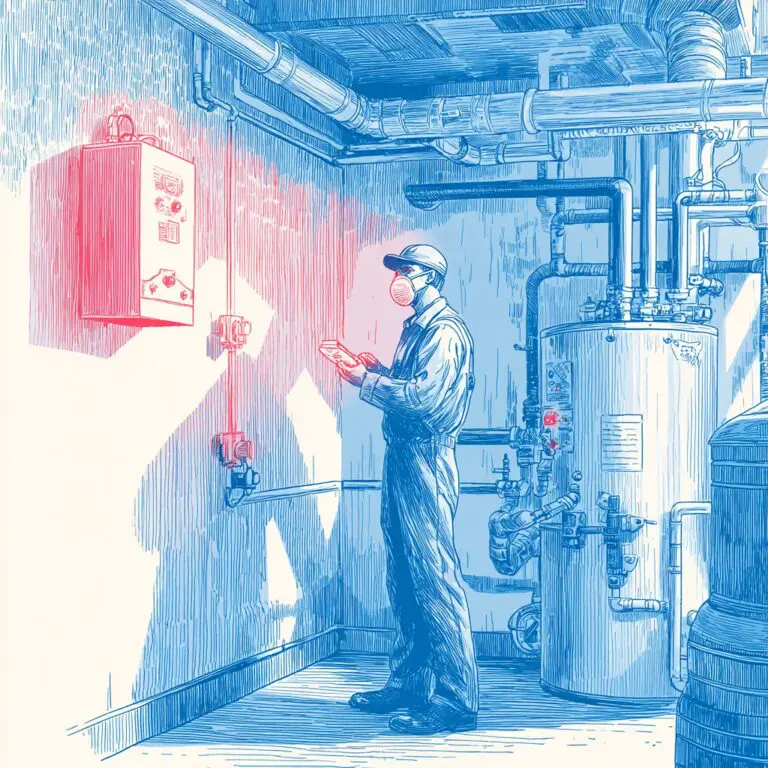
A blocked exhaust system can result in poor combustion and hazardous emissions. Flues should be checked for obstructions, and CO detectors should be tested to ensure they trigger alarms when needed. This step directly addresses one of the most urgent winter threats: carbon monoxide leaks.
Boilers with shared exhaust ducts or located in tightly sealed mechanical rooms require extra attention. Testing for proper draft, air intake balance, and combustion gas clearance is essential to ensure safe operation throughout the heating season.
Circulation issues lead to uneven heating and premature system wear. Technicians should inspect pump bearings, lubricate motors, and test amperage draw to ensure no component is under excessive strain. Frozen or restricted piping loops are common winter issues that can be prevented with early pump maintenance.
Heat distribution relies heavily on these motors. When a single-zone pump fails in a multi-unit commercial building, tenant complaints and discomfort can escalate quickly.
Smart zoning systems require periodic recalibration to ensure temperature accuracy and optimal runtime. Maintenance checks should confirm that thermostats are correctly communicating with zone valves and that schedules reflect current occupancy patterns.
These controls are often tied into broader building automation systems, so their calibration supports broader energy management strategies.
Effective water treatment protects against scale buildup and corrosion. Regular chemical dosing and pH balancing are required to maintain stable operating conditions. Inconsistencies in water treatment logs can lead to deposits that reduce system efficiency or cause component damage.
In systems that use glycol for freeze protection, concentration levels should also be tested to prevent pump cavitation or freeze-related pipe bursts.
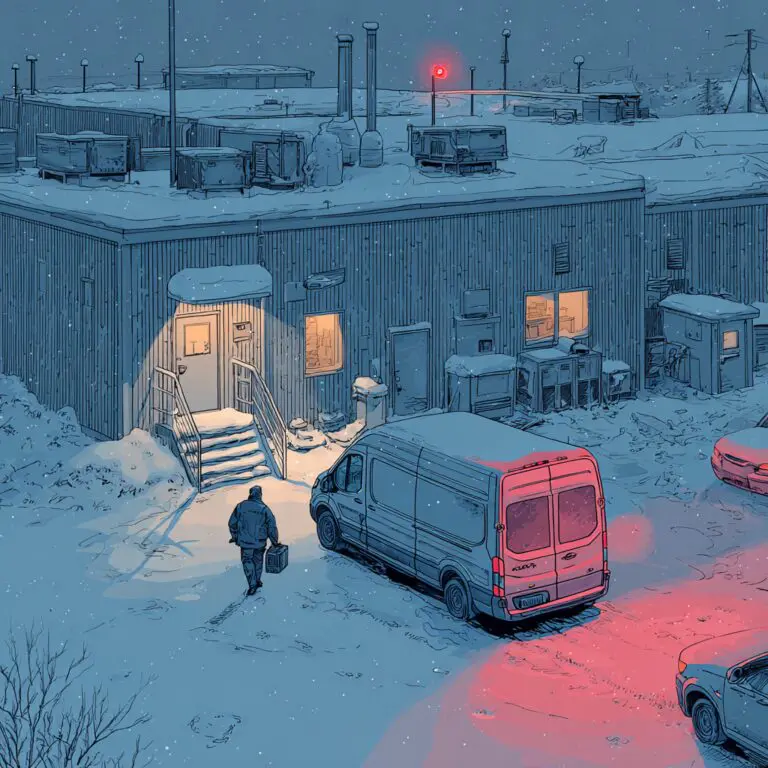
Downtime during a cold snap can bring operations to a halt. Having a response protocol in place ensures the fastest route to emergency boiler repair. Facilities should verify contact information for on-call technicians, clarify expected response times, and review shutoff instructions with maintenance staff.
A preloaded emergency kit containing spare fuses, gaskets, and basic hand tools can prevent delays during service events. Planning ahead helps avoid the scramble that often accompanies peak-season failures.
Environmental conditions impact boiler performance. Temperature sensors, humidity monitors, and lighting checks help ensure the space is safe for both personnel and equipment. Wet or unventilated boiler rooms can accelerate corrosion, cause mould growth, and reduce system visibility for inspections.
An overlooked factor is pest control. Rodents seeking warmth during winter often damage wiring or insulation, leading to shorts and control failures. Periodic visual sweeps of the room mitigate these preventable risks.
Proactive maintenance relies on a structured plan. A recurring calendar should cover inspections, flushing, combustion analysis, and safety control verification. Facilities should also log service actions and outcomes to establish a performance baseline.
This documentation not only supports warranty compliance but also simplifies future budgeting and capital planning. Knowing when components were last replaced helps forecast end-of-life scenarios more accurately.
Maintenance Reminder:
Log each inspection, service, and part replacement. Over time, these records help anticipate system needs and support capital planning.
Commercial boiler maintenance during winter is essential to ensure reliable heat, maintain compliance, and avoid unnecessary costs. In regions like Chilliwack and the broader Fraser Valley, where temperatures can strain systems, preventive measures reduce the likelihood of emergency boiler repairs and safety hazards such as carbon monoxide leaks.
A well-executed commercial boiler service checklist—including combustion analysis, heat exchanger cleaning, and safety control testing—not only extends equipment life but also helps maintain operational stability. These are not one-time actions but part of a continuous strategy for efficiency and risk mitigation.
With thoughtful planning, qualified inspections, and clear documentation, facility managers can protect their systems and maintain tenant comfort through the coldest months of the year.
Ideally, boilers should be serviced twice annually—once before the heating season begins and again mid-winter to address wear from peak usage. At a minimum, annual servicing is required.
Neglected maintenance is the leading cause. Common issues include clogged burners, pump failures, corroded components, and malfunctioning safety devices.
Basic tasks like checking thermostats or visual inspections can be performed internally. However, safety testing, combustion tuning, and emissions monitoring require certified professionals.
Commercial systems are larger, often zoned, and subject to more stringent safety and emissions regulations. They also operate longer hours and serve more complex infrastructures.
Maintain the system proactively, seal and insulate ducts or piping, implement zoning where possible, and use programmable or smart thermostats to avoid wasteful heating.