

Click to Call Dispatch

Commercial HVAC emergencies rarely announce themselves at a convenient time. A rooftop unit shuts down during a cold snap. A make-up air system fails just before the lunch rush. A control fault leaves tenants calling before the building even opens. For facilities managers in Chilliwack and across the Fraser Valley, those first 30 minutes after a system failure often determine whether the issue becomes a short disruption or a costly, multi-day problem.
This article outlines what experienced facilities managers should focus on immediately after a commercial HVAC failure. It is written to support real-world decision-making—not theoretical checklists—and reflects the conditions, building types, and service realities common in the Fraser Valley.
Quick check
If your building’s utility costs are trending up year over year and occupancy hasn’t changed, HVAC efficiency should be on the short list for review.
When a commercial HVAC system goes down, the system itself is only part of the problem. Temperature control affects occupants, processes, and, in some cases, regulatory compliance. In food service, refrigeration and ventilation failures can quickly impact inventory and health standards. In office or mixed-use buildings, indoor conditions influence productivity, tenant satisfaction, and even lease obligations.
Early decisions influence:
Facilities managers who follow a clear early-response structure reduce downtime, avoid unnecessary secondary damage, and improve repair outcomes.
The first alert is rarely the full picture. A building automation system alarm, a tenant complaint, or an after-hours call only signals that something is wrong, not what failed or how far the issue has spread.
Before making calls or dispatching internal staff, take a moment to confirm:
If you have access to a building management system (BMS), review live data rather than relying solely on alarm summaries. Temperature trends, supply air readings, and fault histories often reveal whether the issue is electrical, mechanical, or control-related.
⚠️ Warning
Avoid resetting systems immediately unless you understand the fault. Repeated resets can mask underlying problems or worsen equipment damage.
Commercial HVAC failures can create secondary risks that must be addressed before repairs begin. Within the first 30 minutes, consider:
In restaurants, commercial kitchens, and food processing spaces, ventilation and make-up air failures can quickly trigger safety issues. In agricultural or light industrial buildings, temperature loss may affect product integrity or livestock welfare.
If necessary, restrict access to affected areas and document actions taken. This protects both occupants and the facility manager in the event questions arise later.
Emergency HVAC response is faster and more effective when technicians receive clear, specific information upfront. Vague reports such as “the heat is off” slow diagnosis and can delay proper dispatch.
Before calling for service, collect:
Even partial details help the service provider determine whether to send refrigeration specialists, controls technicians, or electrical support.
Pro Tip
Facilities managers who consistently maintain up-to-date equipment logs experience faster emergency response times and fewer repeat visits.
Not every HVAC contractor handles commercial emergencies the same way. In the first 30 minutes, the goal is not simply to make a call, but to make the right one.
When contacting an emergency commercial HVAC provider, confirm:
For facilities in Chilliwack and surrounding communities, local response matters. Technicians familiar with regional building stock, weather conditions, and supply chains can often diagnose issues more quickly than out-of-area providers.
Clear communication at this stage sets expectations for arrival time, temporary solutions, and escalation planning.

In many cases, the best action during the first 30 minutes is controlled stabilization rather than aggressive troubleshooting.
Stabilization steps may include:
Avoid attempting complex repairs without proper training. Well-intentioned intervention can complicate diagnosis or create liability concerns.
Document actions taken and conditions observed. This information often proves valuable once technicians arrive.
During HVAC emergencies, even experienced facilities managers can unintentionally create delays or add risk by acting under pressure. The most common issues include repeatedly resetting equipment without understanding the fault, waiting too long to place the service call while troubleshooting minor possibilities, or providing vague information to dispatch. These actions often erase valuable diagnostic data, slow technician response, and allow problems to escalate beyond the original failure.
Another frequent mistake is allowing conditions to worsen before isolating affected zones or attempting complex repairs without proper training. Failing to stabilize non-essential areas can lead to secondary damage such as frozen coils, condensation issues, or indoor air quality concerns, while hands-on intervention can introduce safety and liability risks. A calm, structured response—focused on confirmation, communication, and controlled stabilization—consistently reduces downtime and improves repair outcomes.
The most effective emergency response begins before a failure ever occurs. Facilities managers who invest time in preparation reduce decision fatigue, shorten response times, and avoid preventable escalation when systems fail. Clear after-hours procedures, accurate equipment records, and defined internal roles ensure that the first response is controlled rather than reactive.
Preparation also means maintaining commercial HVAC systems consistently and intentionally. Regular maintenance does not prevent every failure, but it reduces their frequency and limits their severity. When equipment histories are up to date, and service relationships are established in advance, emergencies are resolved faster and with fewer operational consequences.
Some HVAC emergencies are not isolated incidents but indicators of broader system limitations. Repeated failures, persistent airflow issues, or control problems often point to equipment that is undersized, aging, or no longer aligned with the building’s use. In these situations, continuing with short-term repairs may temporarily restore operation, but does little to address the underlying cause.
Facilities managers should consider escalation when the same faults recur, repair costs continue to rise, occupant complaints persist, or energy consumption increases without explanation. A structured system review or upgrade assessment can help determine whether targeted improvements will provide greater long-term stability, reduce emergency calls, and improve overall building performance.
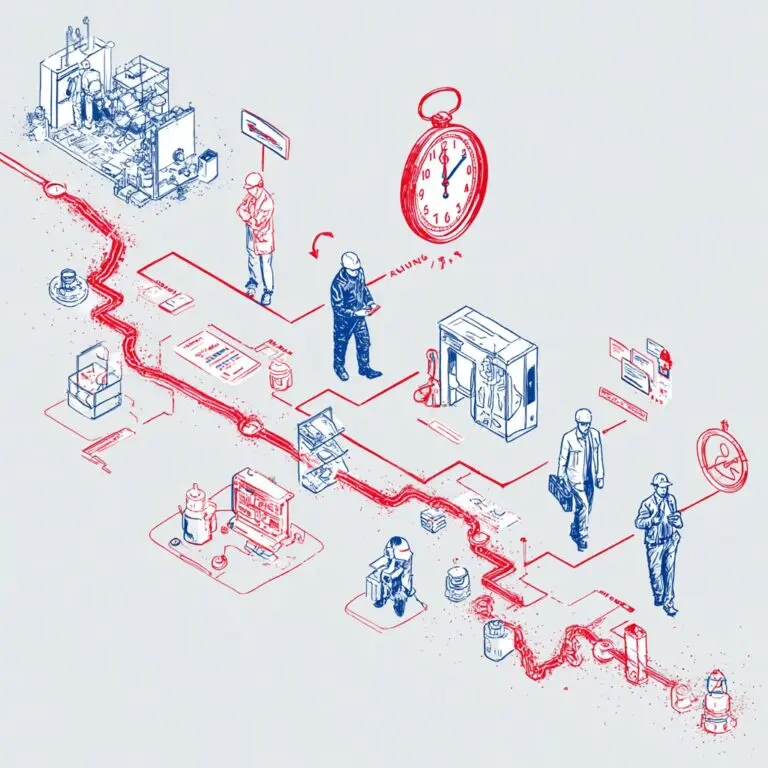
Chilliwack and the surrounding areas present unique HVAC challenges. Seasonal temperature swings, agricultural activity, and mixed-use buildings place varied demands on commercial systems.
Facilities managers who understand local conditions and work with service providers experienced in the region are better positioned to respond effectively when systems fail.
The first 30 minutes after a commercial HVAC failure are about clarity, safety, and communication—not panic. Facilities managers who follow a structured approach protect their buildings, occupants, and budgets.
Emergency response improves when preparation meets experience. Clear information, calm decision-making, and reliable commercial service support make the difference between a minor disruption and a major operational issue.
Only if you understand the fault condition. Repeated resets can worsen damage or hide underlying issues.
Equipment type, location, model numbers, error codes, and recent service history are most useful.
Once safety and scope are confirmed, early contact improves response time and repair outcomes.
They can help stabilize conditions, but should be used carefully and documented.
Frequent failures, rising costs, and persistent complaints often signal deeper system limitations.