
Fraser Valley's
POULTRY REFRIGERATION
Temperature & Humidity
Control Specialists
A well-designed and operated poultry refrigeration system is as critical as any other cooling system in the agricultural industry. Temperature and humidity controls are critical to product storage.
A proper poultry refrigeration system limits the risk of food-borne bacteria that can cause food poisoning and depreciate product before it reaches the retailer.
Raw meat and poultry should be refrigerated and maintained at 4 degrees Celsius or below to greatly reduce the growth rate of any pathogenic bacteria that may be present on their surfaces.
Keep Your Products Safe with Alpine's
Poultry Refrigeration Solutions
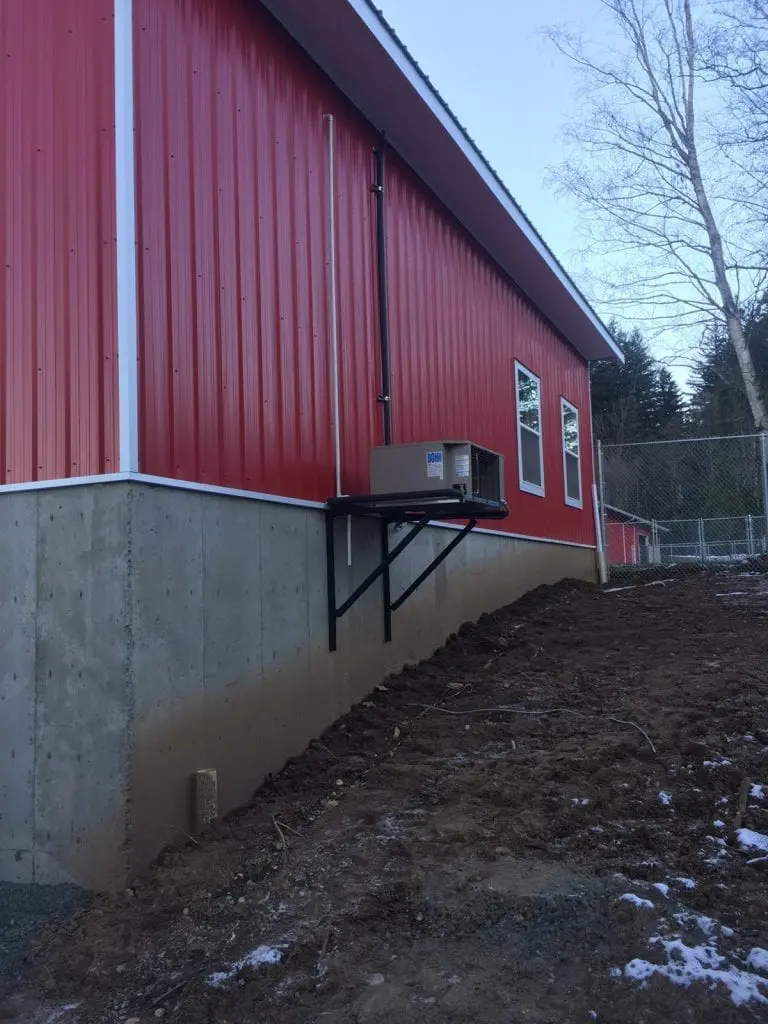
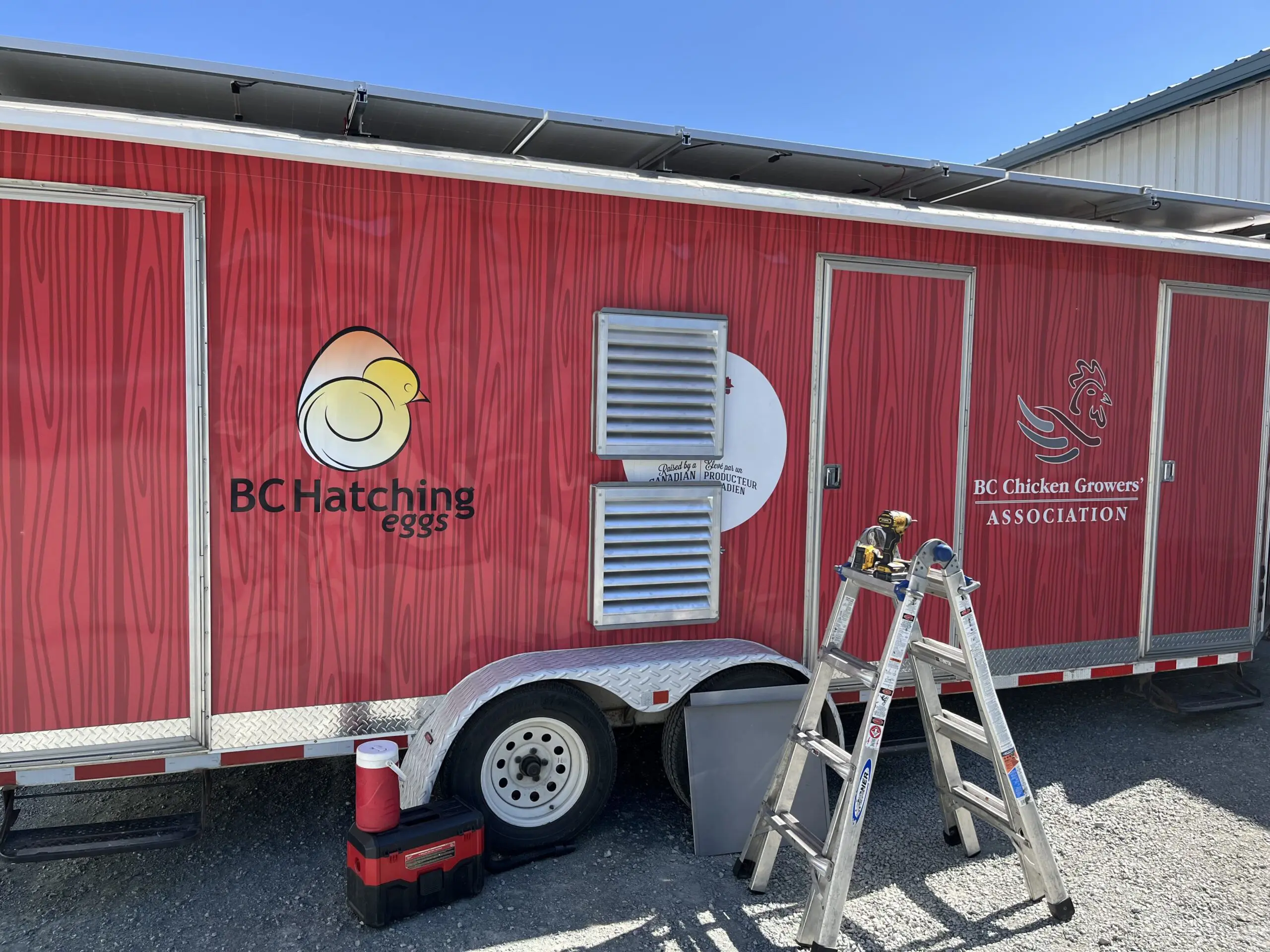
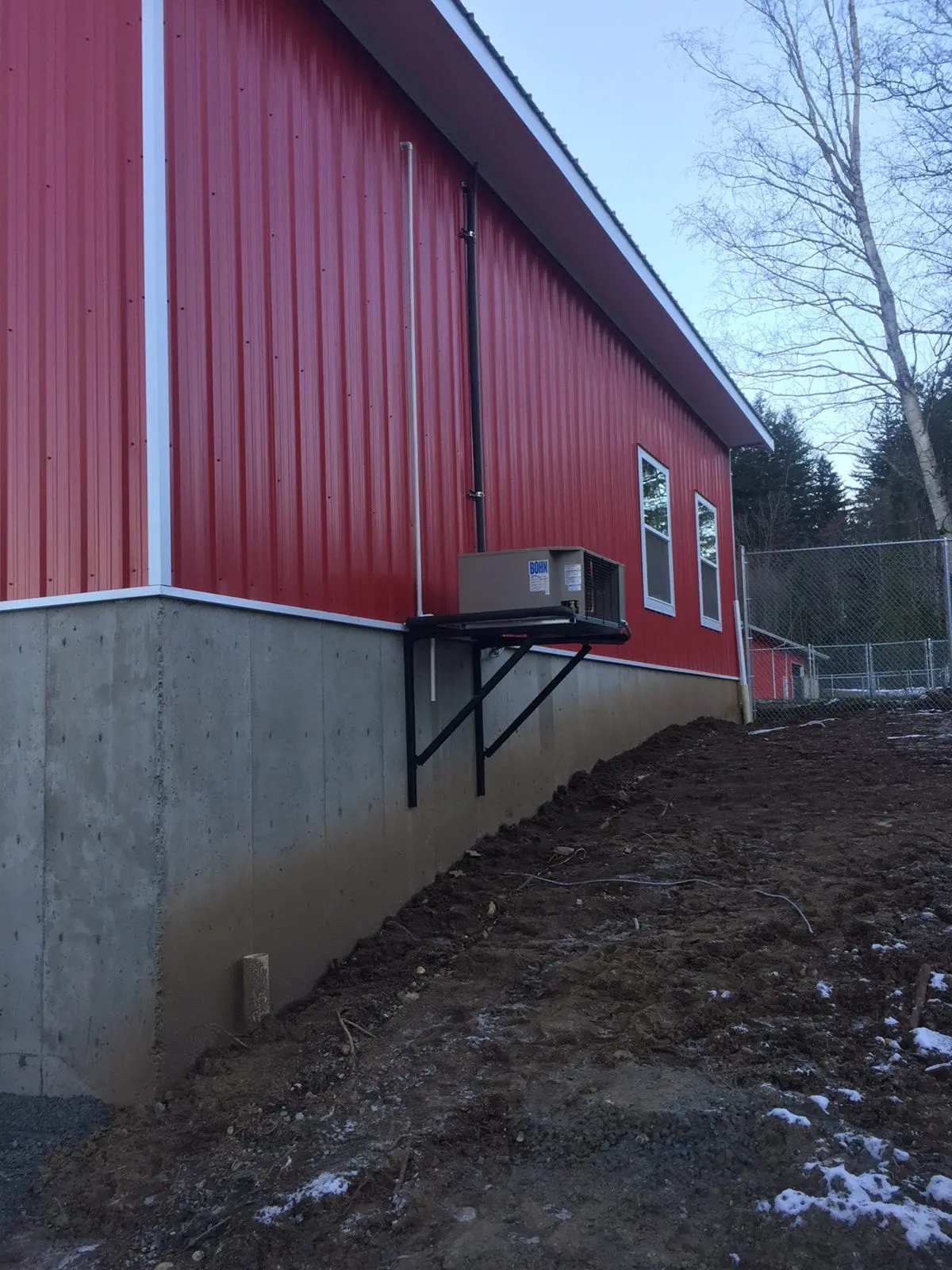
Poultry refrigeration systems professionally installed for farms and processing facilities throughout the Fraser Valley.
Temperature Critical Storage
Raw meat and poultry should be refrigerated and maintained at 4 degrees Celsius or below to greatly reduce the growth rate of any pathogenic bacteria that may be present on their surfaces.
Our systems are designed for precise temperature control with digital monitoring and alarm systems that alert you immediately if temperatures deviate from safe ranges.
From walk-in coolers to processing line refrigeration, we ensure consistent temperatures throughout your entire operation.
Food Safety Compliance
A proper poultry refrigeration system limits the risk of food-borne bacteria that can cause food poisoning and depreciate product before it reaches the retailer.
Our systems are designed to meet all Canadian food safety regulations and HACCP requirements, with documentation and monitoring systems to help you maintain compliance.
We understand the critical importance of food safety and design every system with compliance as a top priority.
$2M+ in Ready Inventory
= Less Waiting for Parts
Alpine maintains over $2 million in ready-to-go parts inventory across our service fleet and Chilliwack warehouse—meaning we can complete most refrigeration repairs on the first visit.
While others scramble for specialty parts or wait on eastern suppliers, our inventory includes components for all major commercial and agricultural refrigeration systems.
For poultry operations where every hour of downtime means potential product loss, our extensive inventory is your insurance against extended outages.
24/7/365
Emergency Response
We have a 24/7 emergency response service so no time is wasted if your equipment needs repair. Our fleet of emergency vehicles are equipped to handle any job.
Our vehicles can be dispatched to even remote locations throughout the Fraser Valley and British Columbia.
Unlike competitors who route calls through third parties, our emergency line connects you directly with on-call technicians ready to dispatch immediately.








A Few of Our Clients












Emergency Repair & Service
When Downtime Means Product Loss
Refrigeration failures in poultry operations can mean thousands of dollars in lost product within hours.
Alpine's 24/7 emergency response team arrives fast with fully-stocked service vehicles to get you operational quickly. Our experienced technicians diagnose and repair all refrigeration brands and models.
Emergency Response Includes:
- 2-hour average response time
- Direct technician dispatch (no answering service)
- Extensive parts inventory on every truck
- Temporary cooling solutions if needed
- Priority service for maintenance contract customers
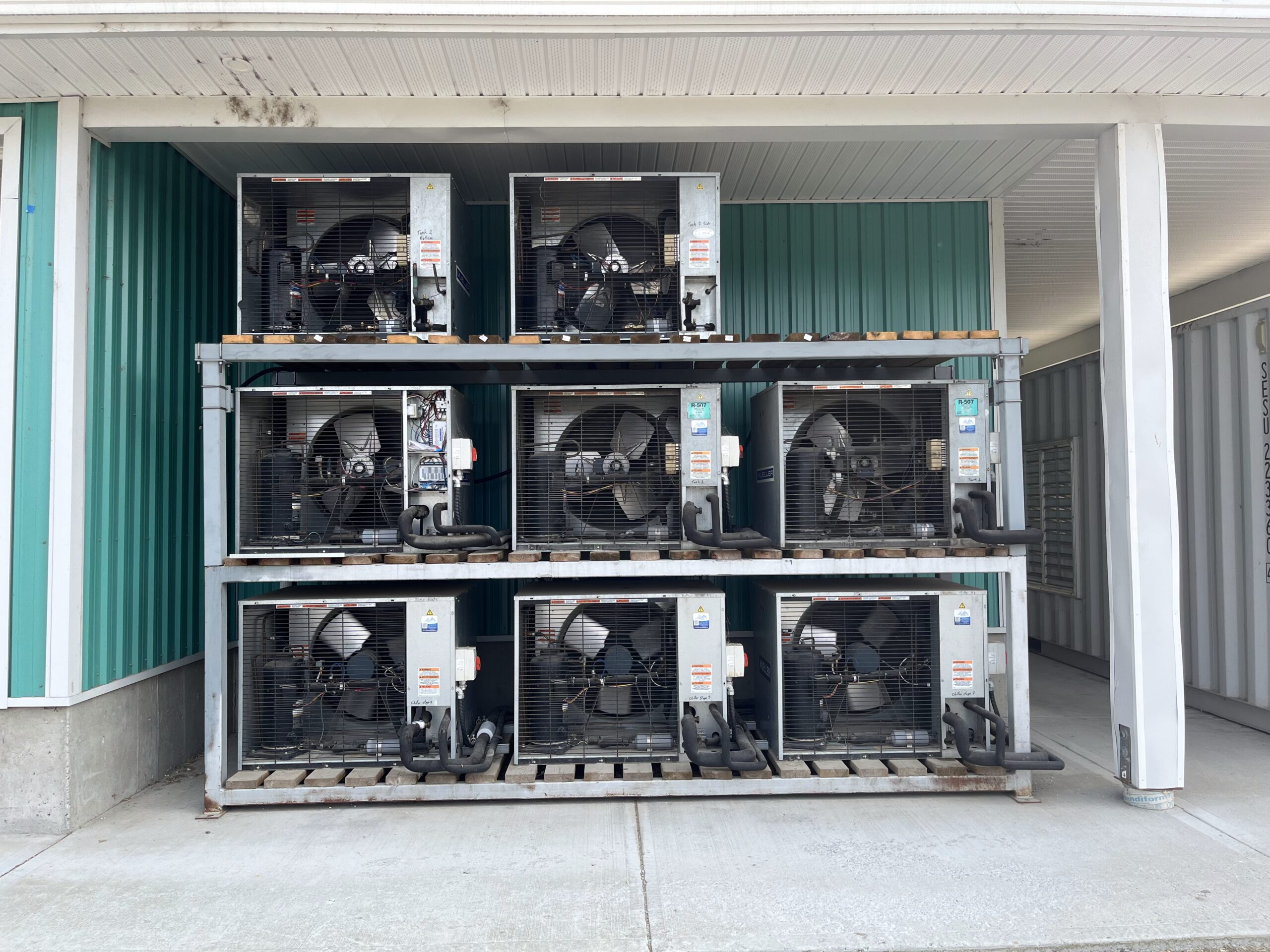
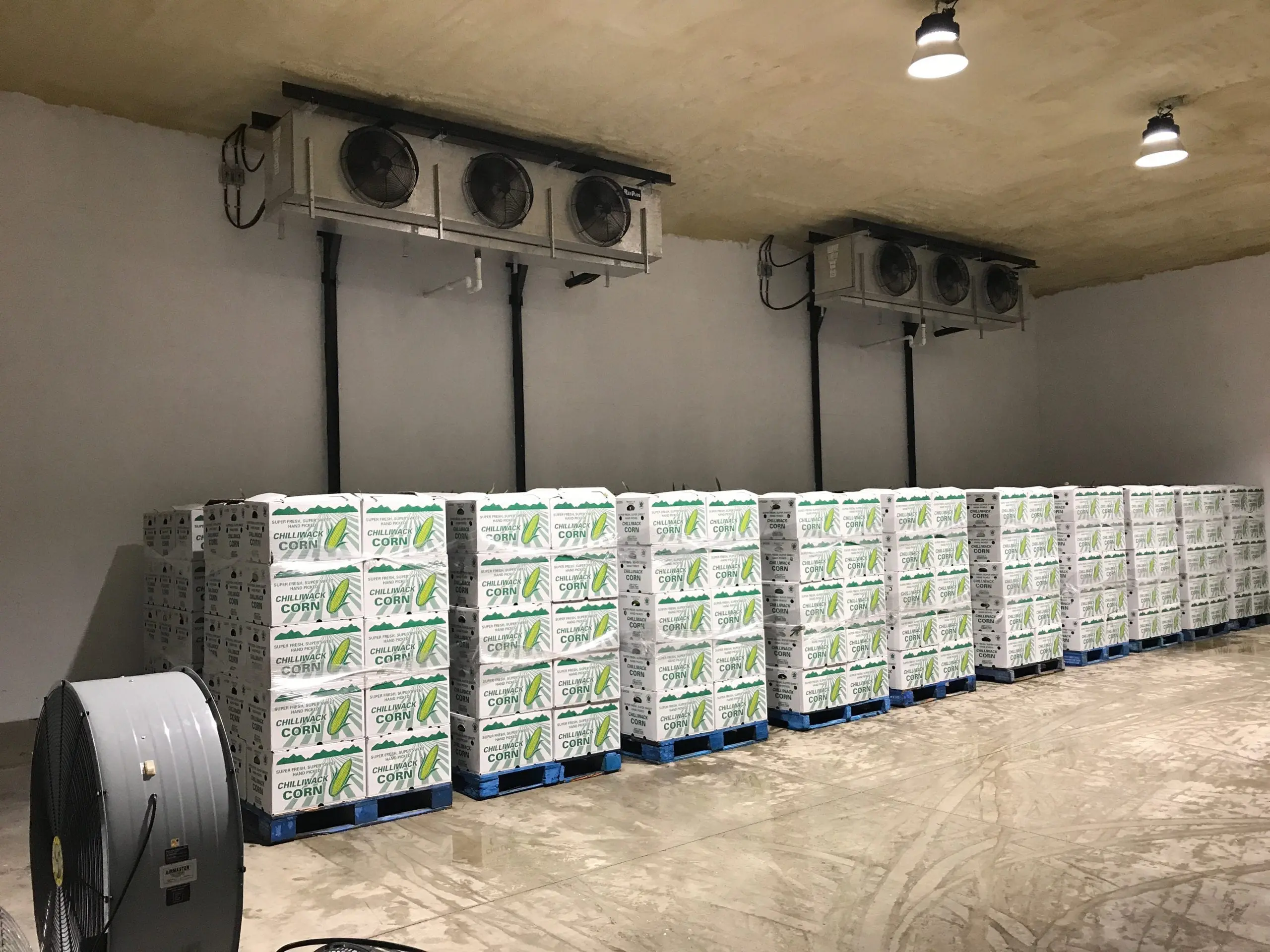
Critical Temperature Management
Temperature Control Systems
Cooling and chilling poultry is required directly from the beginning of processing to cooking.
Not only must this process remain constant, the poultry must be chilled quickly and within specific time frames, depending on the size of the product.
A reliable cooling system is required to ensure product is at its highest quality for consumers.
Temperature Control Features:
- Maintain 4°C or below for raw poultry storage
- Rapid temperature pulldown systems
- Digital monitoring and alarm systems
- Multi-zone temperature control
- HACCP compliant refrigeration design
- Energy-efficient compressor systems
Processing Line Refrigeration
From Processing to Storage
Alpine Refrigeration installs, repairs and maintains poultry refrigeration systems so you can meet the demand of your consumers without worry.
The technicians at Alpine Refrigeration are experienced in installing many egg storage cooling systems and poultry refrigeration systems, and will help ensure you have a reliable and quality product yield.
Processing Refrigeration Features:
- Rapid chilling within required time frames
- Size-specific cooling protocols
- Processing line refrigeration integration
- Blast chilling for rapid temperature reduction
- Automated temperature logging
- Food-grade materials and finishes
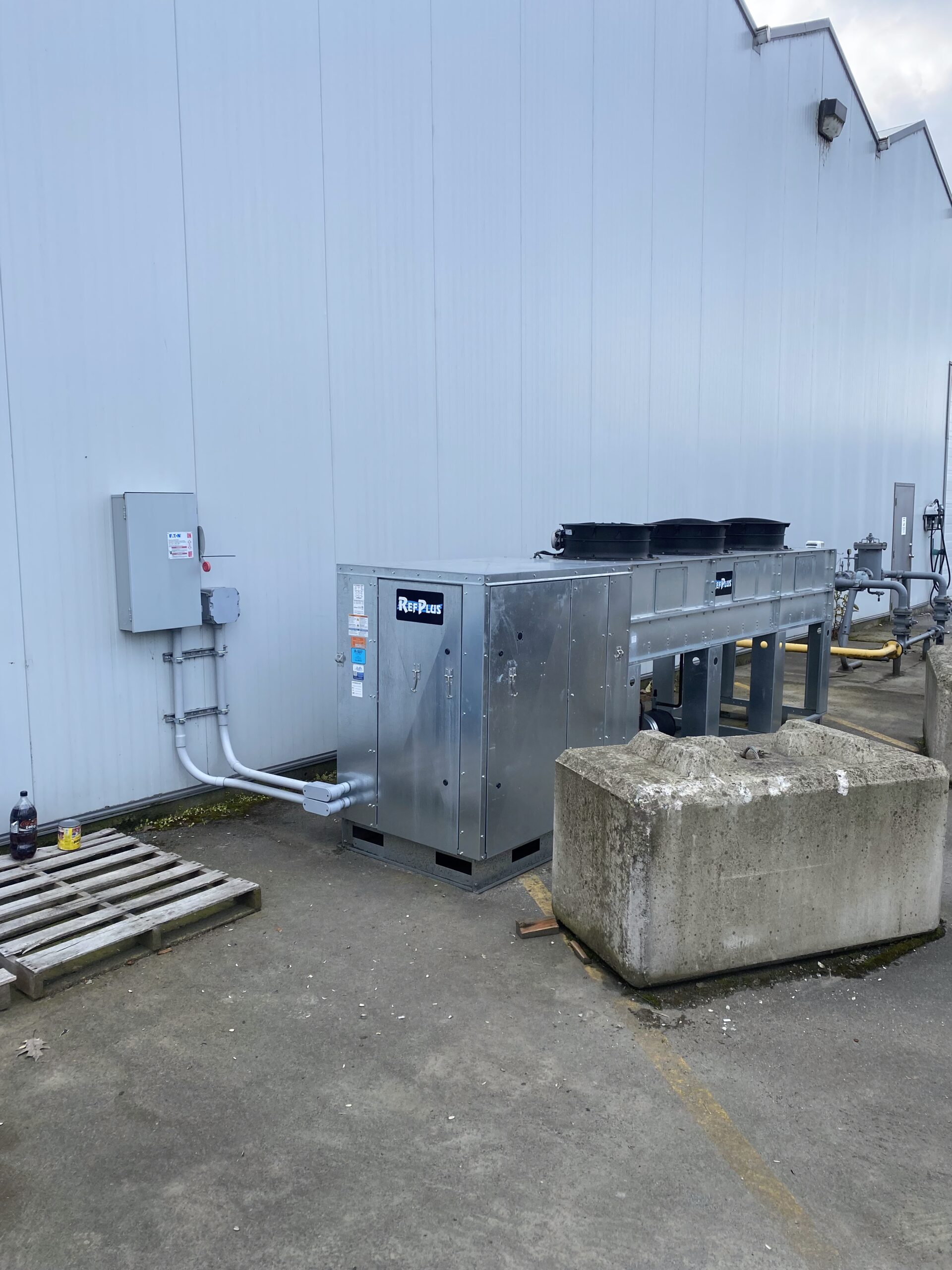
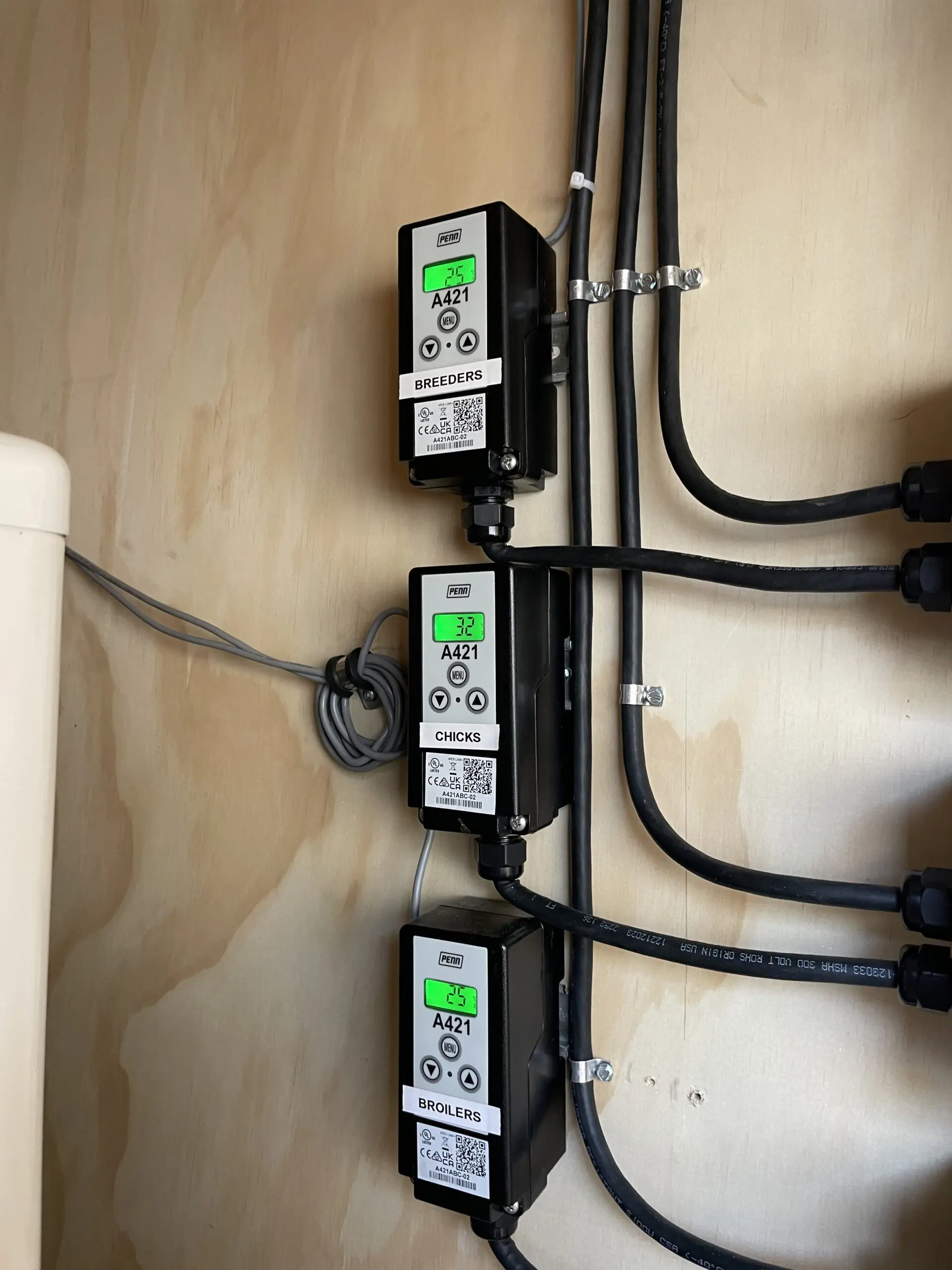
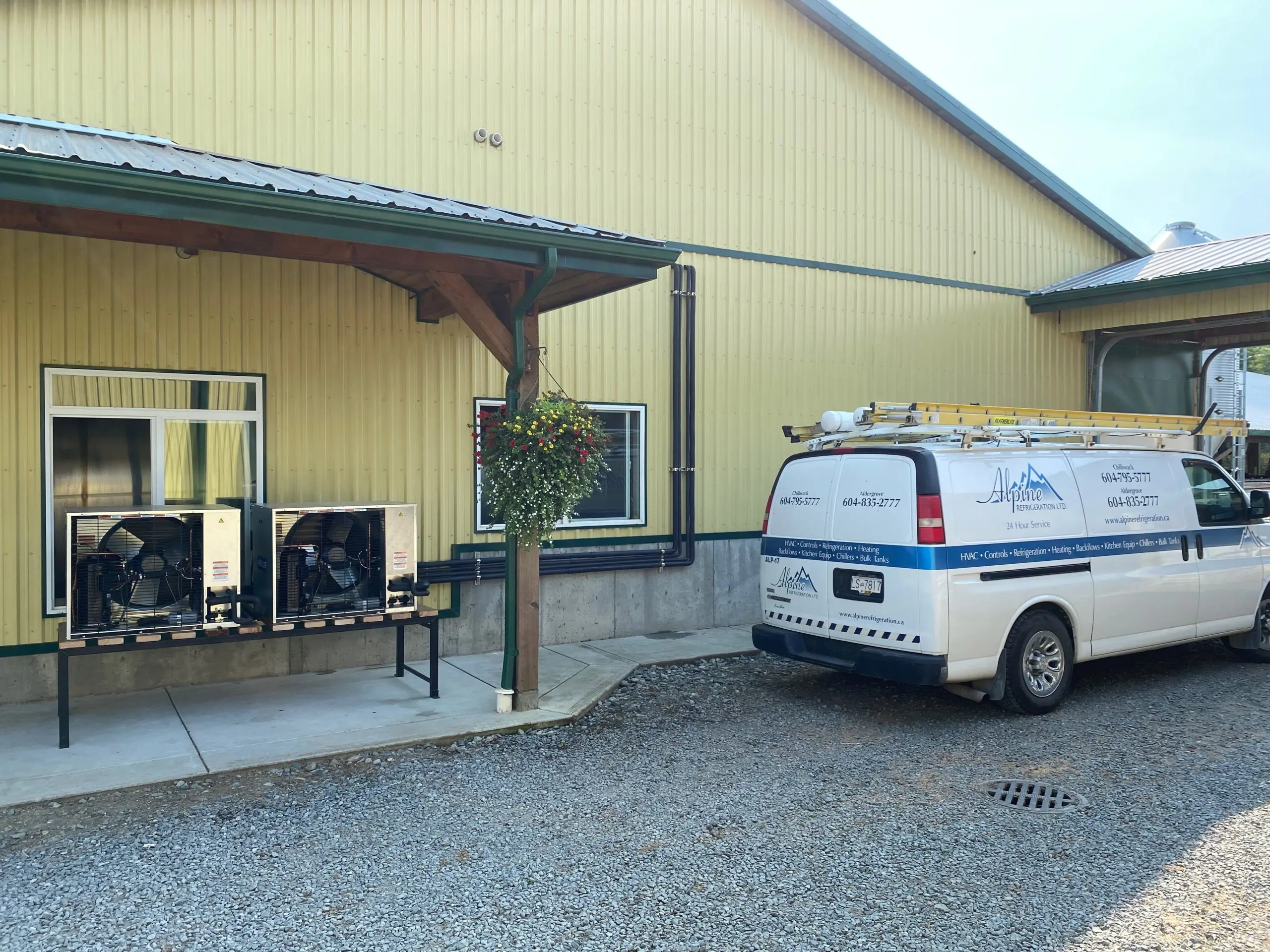
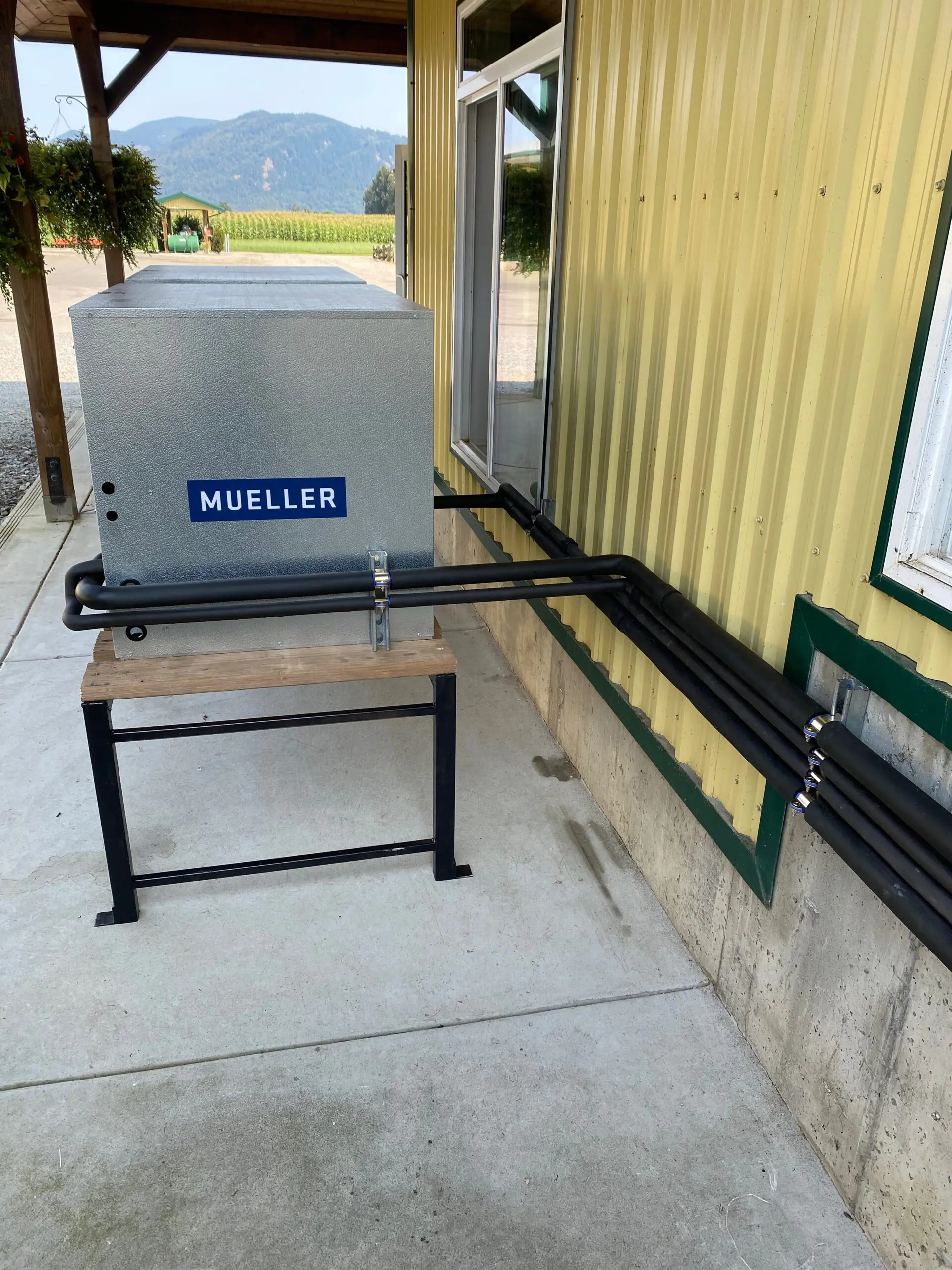
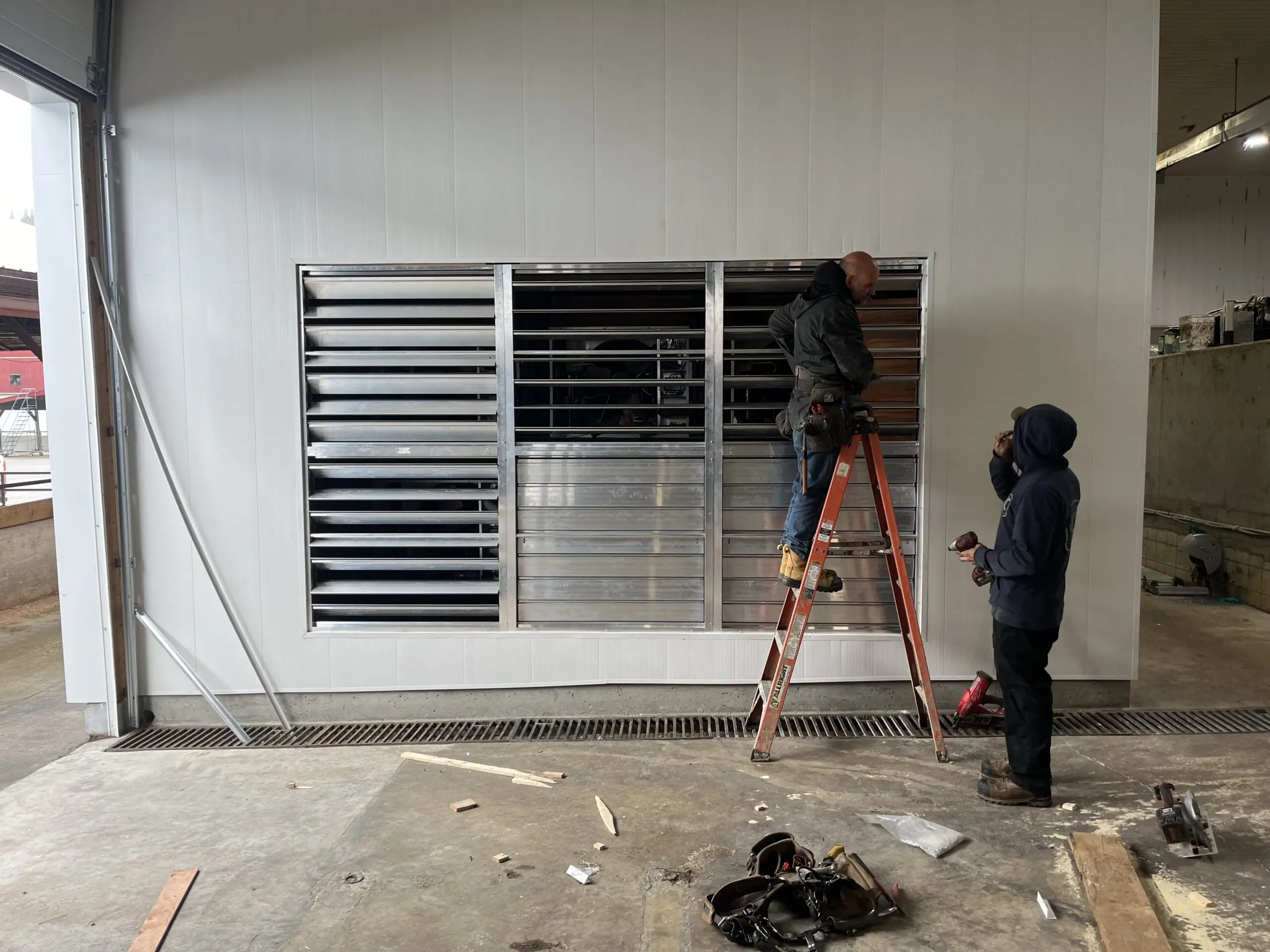
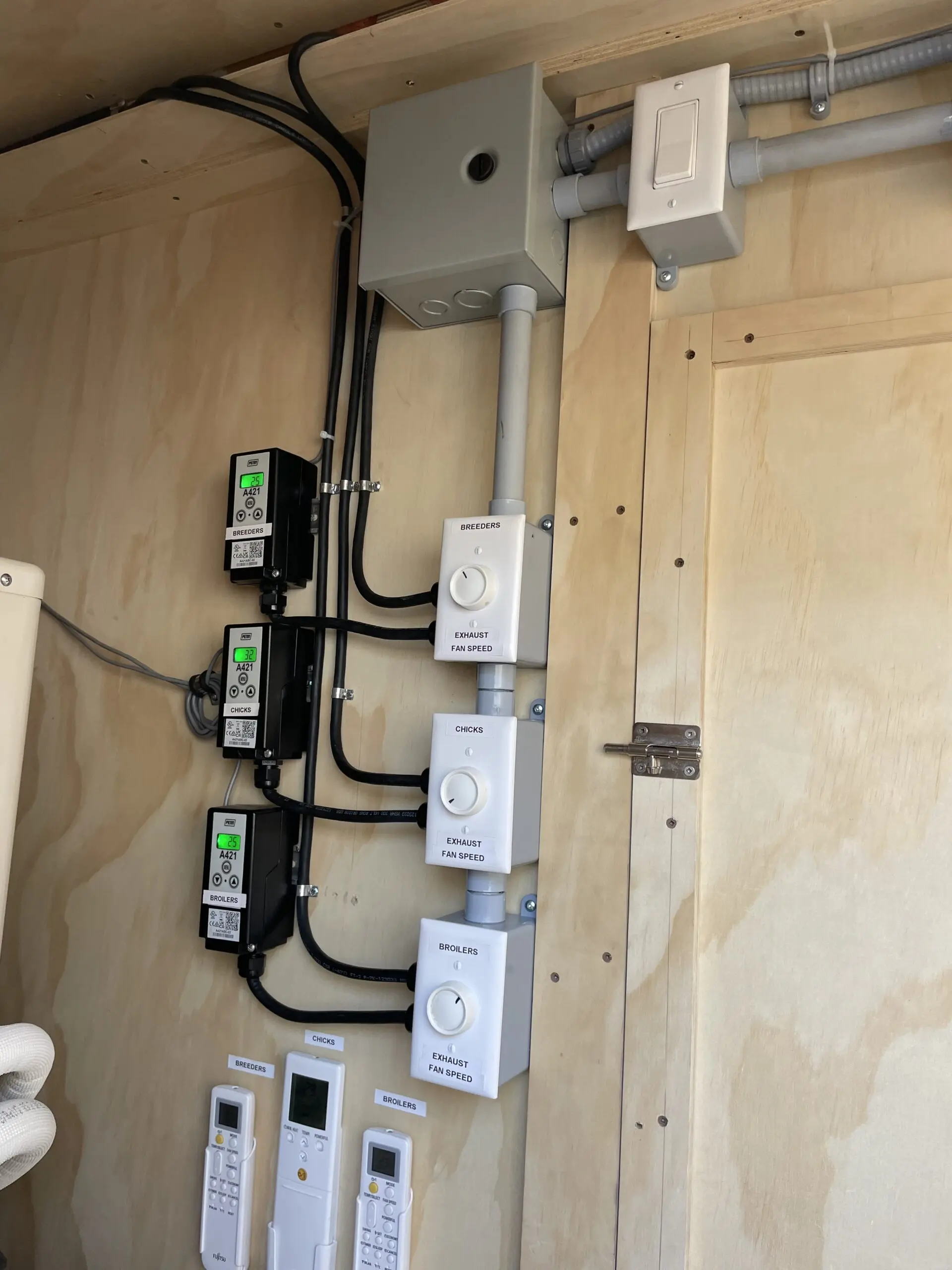
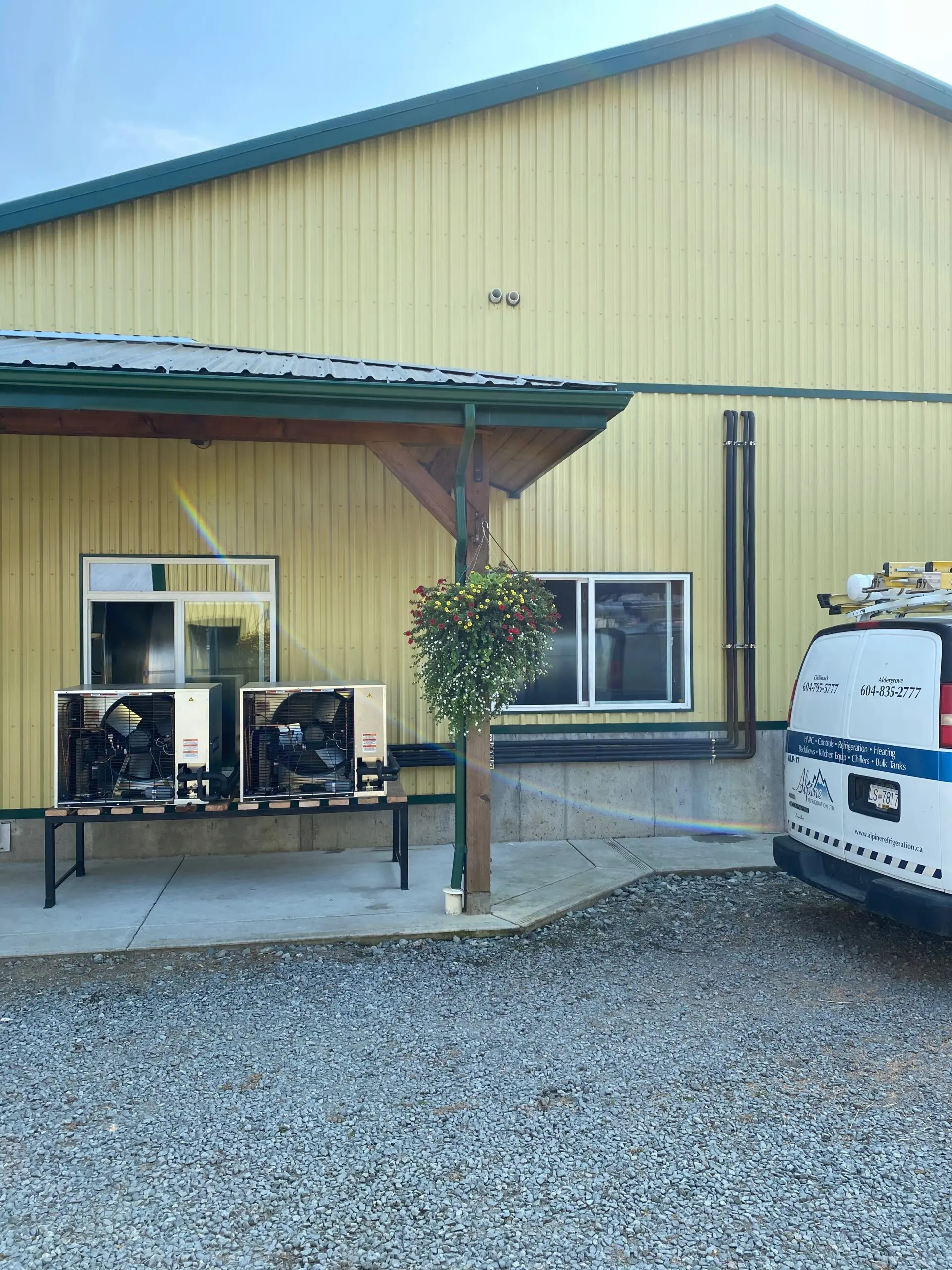
Our technicians are experienced in installing poultry refrigeration and egg storage cooling systems.
Alpine Refrigeration installs, repairs and maintains poultry refrigeration systems so you can meet the demand of your consumers without worry.
We also have a 24/7 emergency response service so no time is wasted if your equipment needs repair. Our fleet of emergency vehicles are equipped to handle any job, and can be dispatched to even remote locations.
The technicians at Alpine Refrigeration are experienced in installing many egg storage cooling systems and poultry refrigeration systems, and will help ensure you have a reliable and quality product yield.
Whatever your quota and poultry refrigeration needs, Alpine Refrigeration can help meet the demand.
FAQ
Raw meat and poultry should be refrigerated and maintained at 4 degrees Celsius or below. This temperature greatly reduces the growth rate of any pathogenic bacteria that may be present on the surfaces of the product.
Cooling and chilling poultry is required directly from the beginning of processing the meat to cooking. Not only must this process remain constant, the poultry must be chilled quickly and within specific time frames, depending on the size of the product. Rapid chilling prevents bacterial growth and maintains product quality.
A proper poultry refrigeration system limits the risk of food-borne bacteria that can cause food poisoning and depreciate product before it reaches the retailer. By maintaining consistent low temperatures, bacterial growth is significantly reduced, ensuring food safety throughout the cold chain.
Yes, the technicians at Alpine Refrigeration are experienced in installing many egg storage cooling systems and poultry refrigeration systems. We ensure reliable temperature control for optimal product yield and quality.
Yes, we have a 24/7 emergency response service so no time is wasted if your equipment needs repair. Our fleet of emergency vehicles are equipped to handle any job, and can be dispatched to even remote locations.
Temperature and humidity controls are critical to poultry product storage. Proper humidity levels prevent product dehydration while avoiding excess moisture that could promote bacterial growth. Our systems are designed to maintain optimal conditions for poultry preservation.
Yes, Alpine Refrigeration designs and installs refrigeration systems that integrate seamlessly with poultry processing lines. From initial chilling to final storage, we ensure continuous temperature control throughout your operation.
Absolutely. Our poultry refrigeration systems are designed to meet all Canadian food safety regulations and HACCP requirements. We provide documentation and monitoring systems to help you maintain compliance.
We recommend quarterly maintenance for poultry refrigeration systems due to the critical nature of food safety. Regular service includes checking refrigerant levels, cleaning coils, verifying temperature controls, and ensuring all safety systems are functioning properly.
In the event of a system failure, contact our 24/7 emergency line immediately. We prioritize poultry and meat storage facilities due to food safety concerns. Our technicians can often provide temporary cooling solutions while permanent repairs are made.
Modern high-efficiency compressors, proper insulation, LED lighting, and smart controls can significantly reduce energy consumption. As a BC Hydro Alliance Member and FortisBC Trade Ally, we help you access rebates for energy-efficient upgrades.
Yes, we install digital temperature monitoring and alarm systems that provide 24/7 oversight of your refrigeration equipment. These systems can send alerts to your phone if temperatures deviate from safe ranges.
Yes, every poultry operation has unique requirements. We design custom refrigeration solutions tailored to your processing volume, facility layout, and specific product needs. Our team conducts thorough assessments to engineer the optimal system.
Yes, blast chillers are essential for rapidly reducing poultry temperatures after processing. We install and service blast chilling systems that meet the specific time and temperature requirements for various poultry products.
Absolutely. We design and install custom walk-in coolers specifically for poultry storage, with proper air circulation, humidity control, and temperature maintenance to ensure food safety and product quality.
We primarily serve the Fraser Valley including Chilliwack, Abbotsford, Mission, Langley, and the Lower Mainland. Our teams are also equipped to travel to remote locations throughout British Columbia for larger projects.
Installation timelines vary based on system complexity and facility requirements. Simple walk-in cooler installations may take a few days, while comprehensive processing line refrigeration systems may require several weeks. We work around your production schedule to minimize disruption.
We service all major commercial and industrial refrigeration brands. Our technicians are factory-trained on multiple equipment types and carry extensive parts inventory to complete most repairs on the first visit.
Contact us at (604) 795-5777 or submit a request through our website. We offer free on-site consultations for commercial and agricultural projects, providing detailed assessments and transparent pricing.
With over 50 years of experience, $2M+ in ready inventory, 24/7 emergency response, and a team of Red Seal-certified technicians, Alpine delivers unmatched expertise and reliability for agricultural refrigeration. We understand the unique needs of poultry operations and the critical importance of food safety.