Click to Call Dispatch
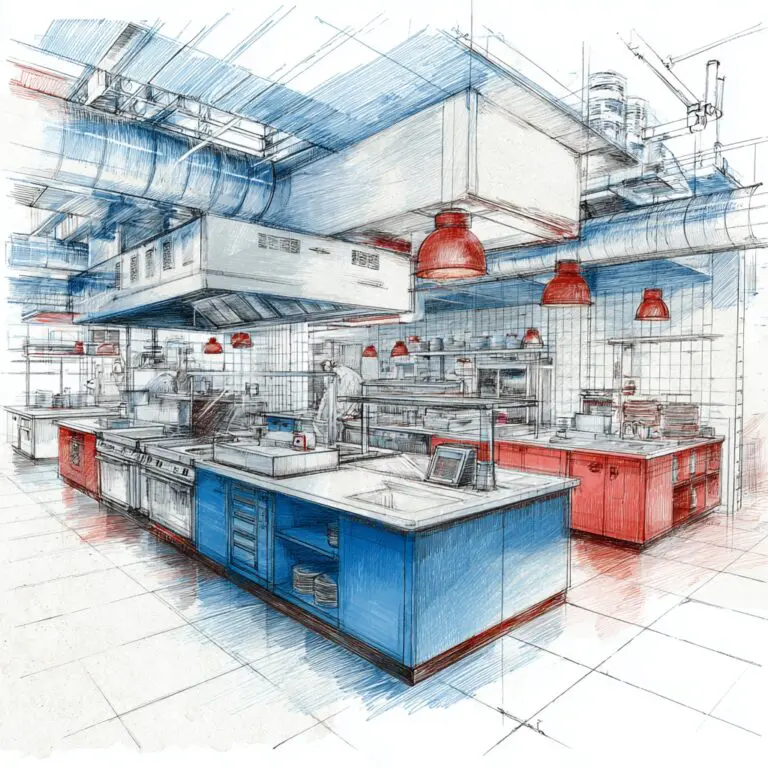
In the world of commercial kitchens, air doesn’t just move on its own. Behind the hum of the range hood, the clatter of cookware, and the scent of food being prepared, there’s an entire system working to keep the indoor environment safe, balanced, and compliant. At the centre of that system is something many people outside the HVAC industry rarely think about: the make-up air unit.
For commercial kitchen operators and facilities managers in Chilliwack, Abbotsford, and across the Fraser Valley, understanding how make-up air systems work isn’t just academic – it’s essential to meeting building code compliance, maintaining comfort, and protecting equipment in food facility climate control systems.
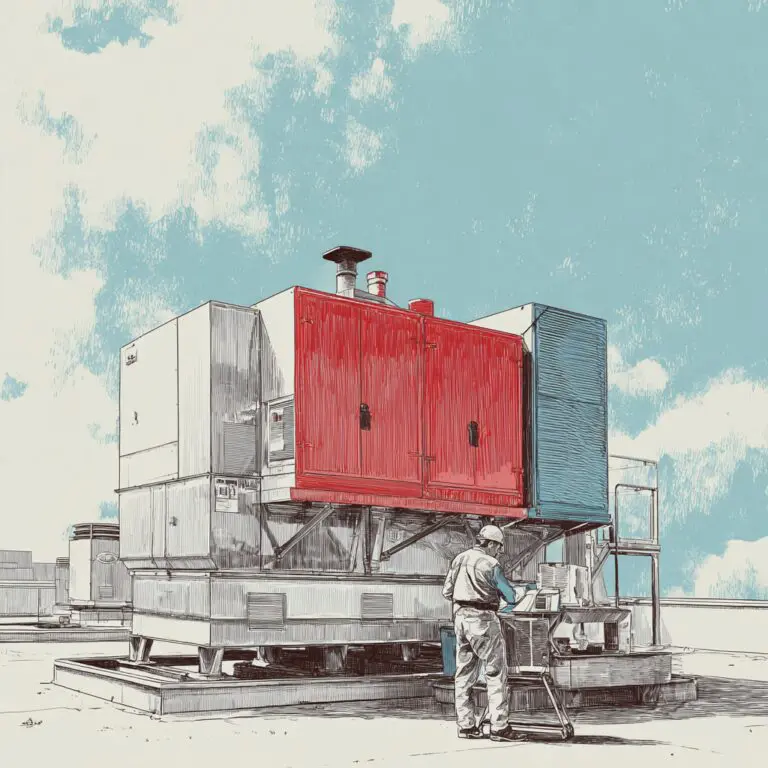
A make-up air (MUA) system is designed to replace exhausted air in a building, particularly in high-extraction environments such as kitchens or food-processing areas. When exhaust fans remove large volumes of air – such as grease-laden air over cooktops – that air must be replaced with fresh, tempered air. If it isn’t, the building depressurizes, triggering a cascade of HVAC and safety issues.
Unlike general ventilation systems, make-up air units are purpose-built to maintain air pressure balance. They typically include:
These industrial make-up air units are foundational in larger food facilities and commercial environments, where ventilation demands are substantial and consistent.
Commercial kitchen exhaust systems are designed to pull contaminated air out. However, for every cubic foot of air exhausted, a matching volume must re-enter the building. Without this air replacement, the HVAC system becomes unbalanced, resulting in:
A make-up air unit doesn’t just provide replacement air — it ensures that air enters at the right temperature, pressure, and velocity to be useful and safe.
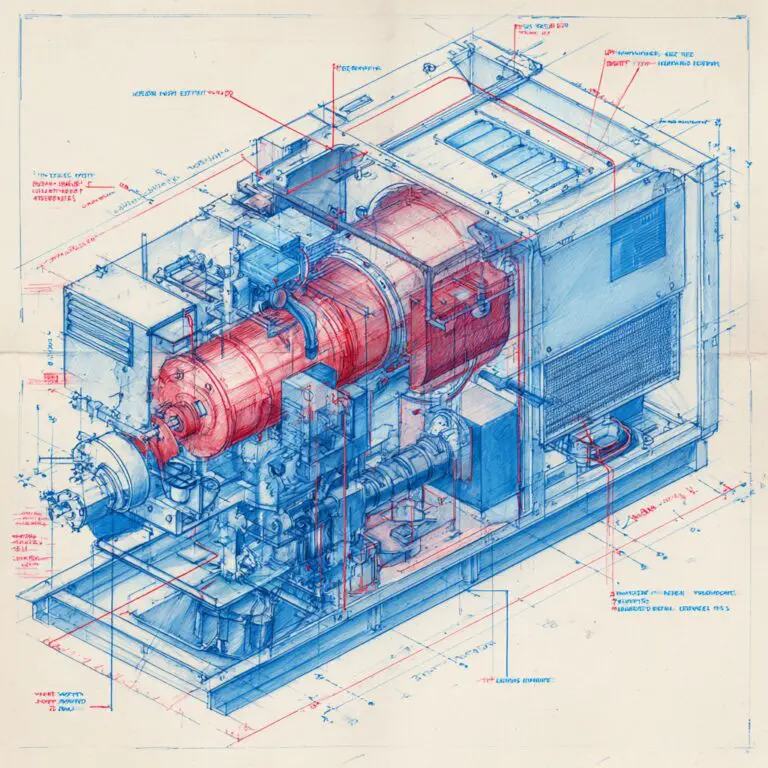
Commercial kitchen exhaust hoods can remove thousands of cubic feet of air per minute. Without make-up air, the building becomes negatively pressurized. This imbalance draws in untreated air through cracks, open doors, and connected rooms – disrupting HVAC performance and creating uncomfortable drafts.
Unresolved negative air pressure can compromise the effectiveness of the entire kitchen exhaust system, and in severe cases, it can even prevent doors from closing properly or cause air to rush in from loading docks, bathrooms, or adjacent units.
Backdrafting becomes a serious concern when make-up air isn’t properly balanced. Combustion appliances such as gas ovens, boilers, or water heaters can draw carbon monoxide and other combustion gases back into the kitchen. Properly sized MUA systems help avoid these risks by maintaining safe airflow direction.
Make-up air also helps maintain proper humidity and reduces airborne grease accumulation, both essential for maintaining health and safety standards in food production environments.
Ironically, not replacing exhausted air can increase energy usage. Uncontrolled air infiltration forces HVAC systems to work harder, increasing wear on rooftop units and heating systems. A well-calibrated MUA system supplies pre-conditioned air, reducing load on central systems. This approach supports energy-efficient air replacement practices in commercial environments.
Some MUA units can be equipped with variable speed fans, energy recovery ventilators (ERVs), and programmable controllers to optimize energy use based on occupancy or time of day.
In British Columbia, building and mechanical codes require sufficient make-up air for all commercial exhaust systems. This includes:
Facilities operating without a compliant MUA risk failing inspection, violating health and safety codes, or voiding insurance coverage. MUA systems are also often required during fire inspections, occupancy permitting, and insurance renewals.
Chronic negative pressure and poor airflow can affect more than just comfort – it can corrode equipment, cause doors to slam, affect pilot lights, and lead to condensation issues. Over time, this can compromise electrical systems, stainless steel surfaces, and food safety zones.
In environments such as butcher shops, bakeries, or multi-line production kitchens, equipment is often calibrated to operate within specified airflow ranges. A lack of proper MUA can cause those systems to fail or run inefficiently.
If you manage or own a commercial kitchen, watch for these red flags:
Any of these can indicate an undersized or poorly maintained MUA system. Early detection allows for cost-effective corrections before energy bills or safety concerns escalate.
Each kitchen’s airflow requirements differ. Equipment size, hood type, layout, and cooking volume all affect the amount of air that needs to be replaced. An HVAC professional must calculate:
Sizing is also critical to ensure MUA unit installation aligns with ventilation loads and space configurations. Incorrectly sized systems can cause air to short-cycle or bypass the intended zones.
Make-up air systems require routine inspection, especially in high-grease or high-particulate environments. Facilities managers should:
These systems play a crucial role in broader commercial HVAC maintenance programs and should be inspected concurrently with rooftop units, hoods, and exhaust fans.
For best performance, MUA units must work in tandem with kitchen hoods and exhaust fans. Modern systems can be integrated with building automation or operate on time-based or demand-based schedules. A comprehensive commercial kitchen ventilation strategy depends on proper integration.
When MUA and exhaust are synchronized, you minimize pressure fluctuations and optimize energy use. Smart controllers can even adjust airflow rates in real time based on hood activity.
While MUA systems are commonly associated with commercial kitchens, they are also essential in:
Any facility that exhausts large volumes of air must have a plan to replace it. Without proper design, these environments can experience moisture issues, cross-contamination risks, or unbalanced refrigeration zones.
Make-up air systems may be out of sight, but they shouldn’t be out of mind. In the context of commercial kitchen operations, balanced air means safe, efficient, and compliant operations. These systems play a behind-the-scenes role in everything from food safety and employee comfort to code compliance and long-term energy savings. Neglecting them can lead to chronic airflow issues, equipment strain, and unnecessary regulatory compliance issues—especially in high-output environments such as restaurants, cafeterias, and food-processing facilities.
As building codes evolve and indoor air quality takes on greater importance, understanding and maintaining make-up air systems becomes increasingly vital. Whether you’re managing a small commercial kitchen or a large-scale food production plant, consistent airflow balance supported by a well-designed MUA system ensures your facility operates efficiently and remains adaptable to seasonal, operational, and regulatory demands.
Have an HVAC technician perform airflow measurements and a full ventilation audit. BC building codes require tempered, balanced replacement air for all exhaust systems.
No. In BC’s climate, make-up air must be tempered – heated in winter and possibly cooled in summer – to prevent drafts, moisture problems, and code violations.
This depends on your exhaust rate (CFM), building envelope, and kitchen layout. An HVAC engineer should calculate precise replacement needs.
At a minimum, twice a year. Kitchens with high grease output may need quarterly filter replacement and inspections.
Yes, when properly designed and integrated. They reduce strain on HVAC systems and can include energy-saving features such as variable-speed fans or energy-recovery modules.